What sheen really means and why it changes performance
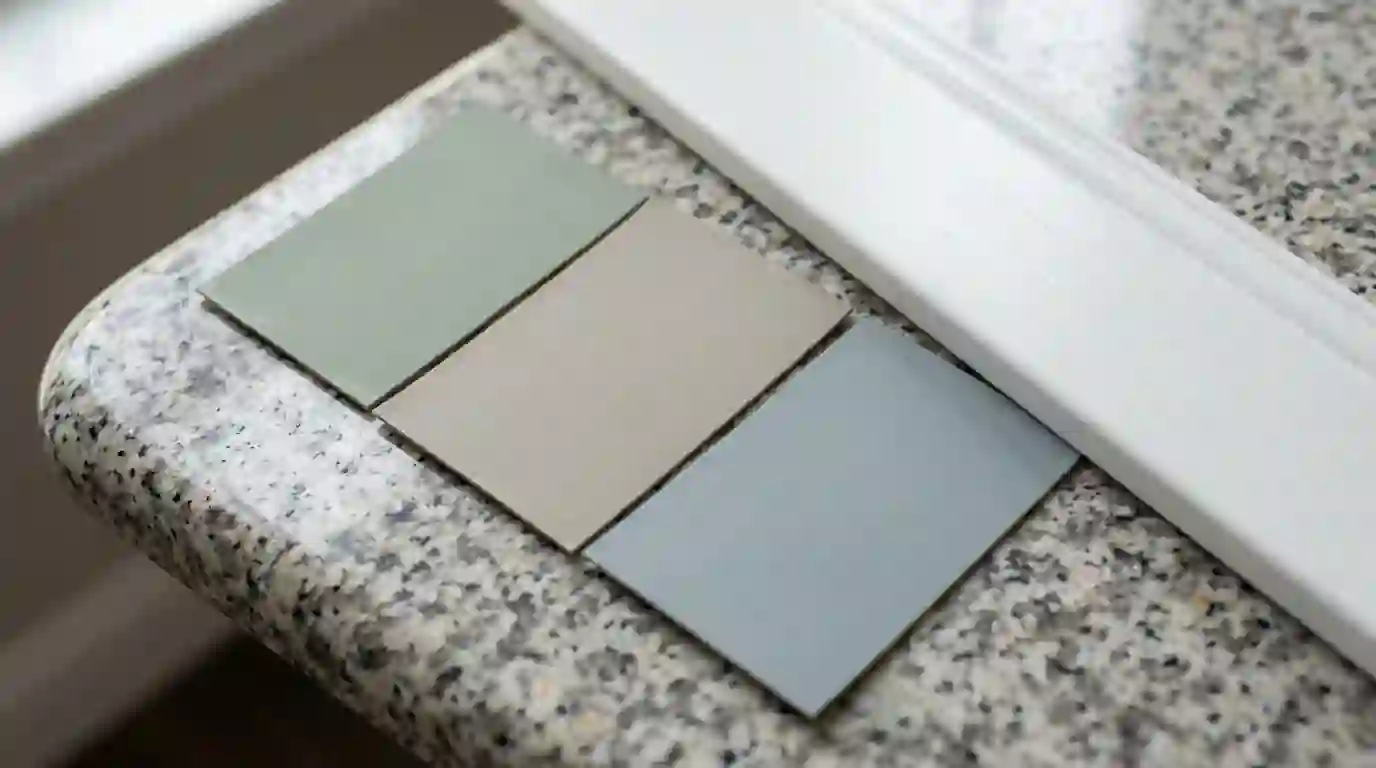
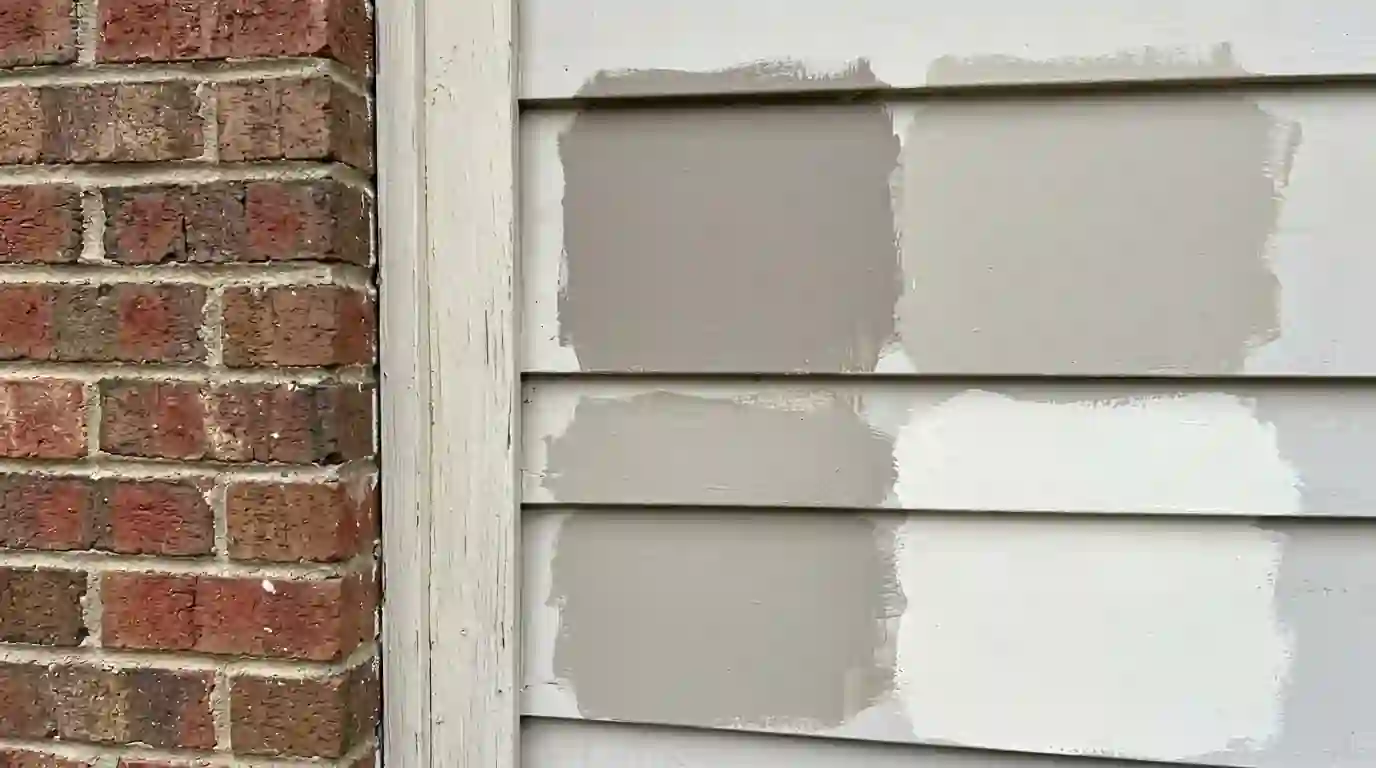
Sheen describes how much light a dried paint film reflects, measured at a set angle on a gloss meter. Flat paints reflect very little, often under 5 percent, while semi-gloss can reflect 35 to 70 percent depending on the brand. The difference comes from the ratio of pigment to resin. Flatter paints carry more pigment and extender particles, which scatter light and hide flaws but leave a slightly rougher, more porous surface. Glossier paints have more resin, which levels into a smoother, tighter film that sheds dirt and stands up to scrubbing. One catch: sheen names aren't standardized between manufacturers. One brand's eggshell can look like another's satin. We always check a sample patch on your actual wall before committing a full room, because light from Fort Worth's bright west windows can make a sheen read glossier than the chip suggests.
Ceilings: why flat almost always wins
Ceilings take the most raking light in a home, from windows, recessed cans and ceiling fans. Any shine overhead turns drywall seams, nail pops and roller marks into visible lines. That's why a dedicated flat ceiling paint is the standard choice, usually in a bright white or a white tinted slightly toward the wall color. Flat ceiling paints are also formulated to spatter less when rolled overhead and to dry with fewer lap marks. The exceptions are bathrooms and laundry rooms without strong exhaust fans, where moisture can lead to mildew. In those rooms, a matte or eggshell product with mildewcide works better. For popcorn or heavily textured ceilings common in 1970s and 1980s Fort Worth homes, flat is especially important, since any gloss highlights every bump and shadow in the texture.
Living rooms, dining rooms and bedrooms
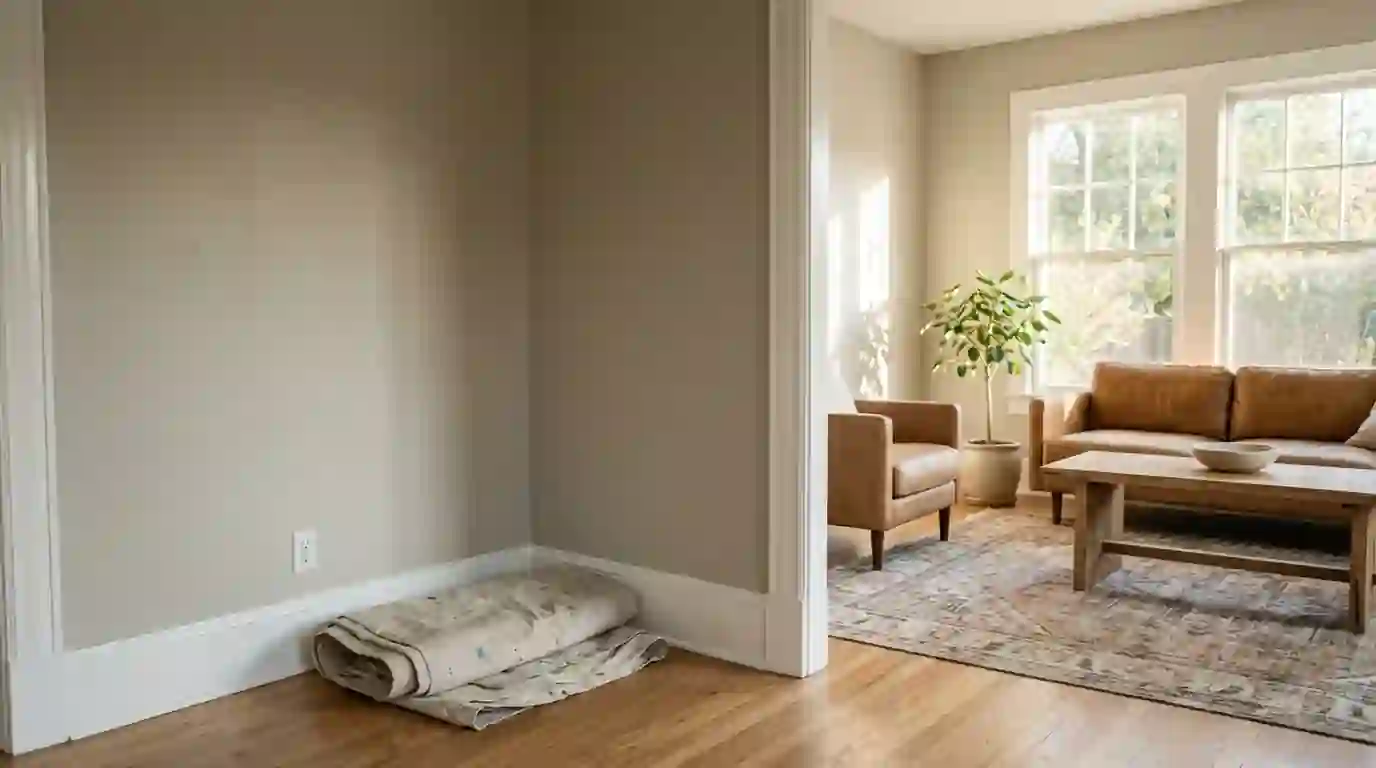
Low-traffic rooms where you want a soft, even look are where matte and eggshell shine, figuratively speaking. Matte gives a rich, velvety appearance and hides small dings and patches well, which is helpful on walls that have shifted with clay soil and been patched over the years. Modern scrubbable mattes from Sherwin-Williams, Benjamin Moore and PPG can handle light cleaning far better than older flats. Eggshell adds a touch of sheen and a bit more washability, making it a safe middle ground for families with pets or young kids. In formal dining rooms with crown molding and wainscoting, a matte wall color sets off semi-gloss trim nicely. For primary bedrooms, matte works well because there's little traffic and the low reflection feels calm in evening lamp light.
Kitchens, bathrooms and laundry rooms
Rooms with steam, splashes and grease need more resin in the film. In kitchens, eggshell or satin handles cooking splatter and frequent wiping, while still hiding drywall imperfections better than semi-gloss. Behind the range or sink, satin is the safer choice. Bathrooms see the highest humidity in the house, so satin is our usual pick for walls, ideally a product with mildew resistance. In small powder rooms with no shower, eggshell is fine. Laundry rooms and mudrooms, where lint, detergent and muddy boots meet the walls, also benefit from satin. Whatever the sheen, good ventilation matters more than finish alone. A bathroom exhaust fan that runs 20 minutes after a shower protects paint longer than any coating. If your bathroom paint is peeling, check the fan before blaming the sheen.
Trim, doors, cabinets and stair rails
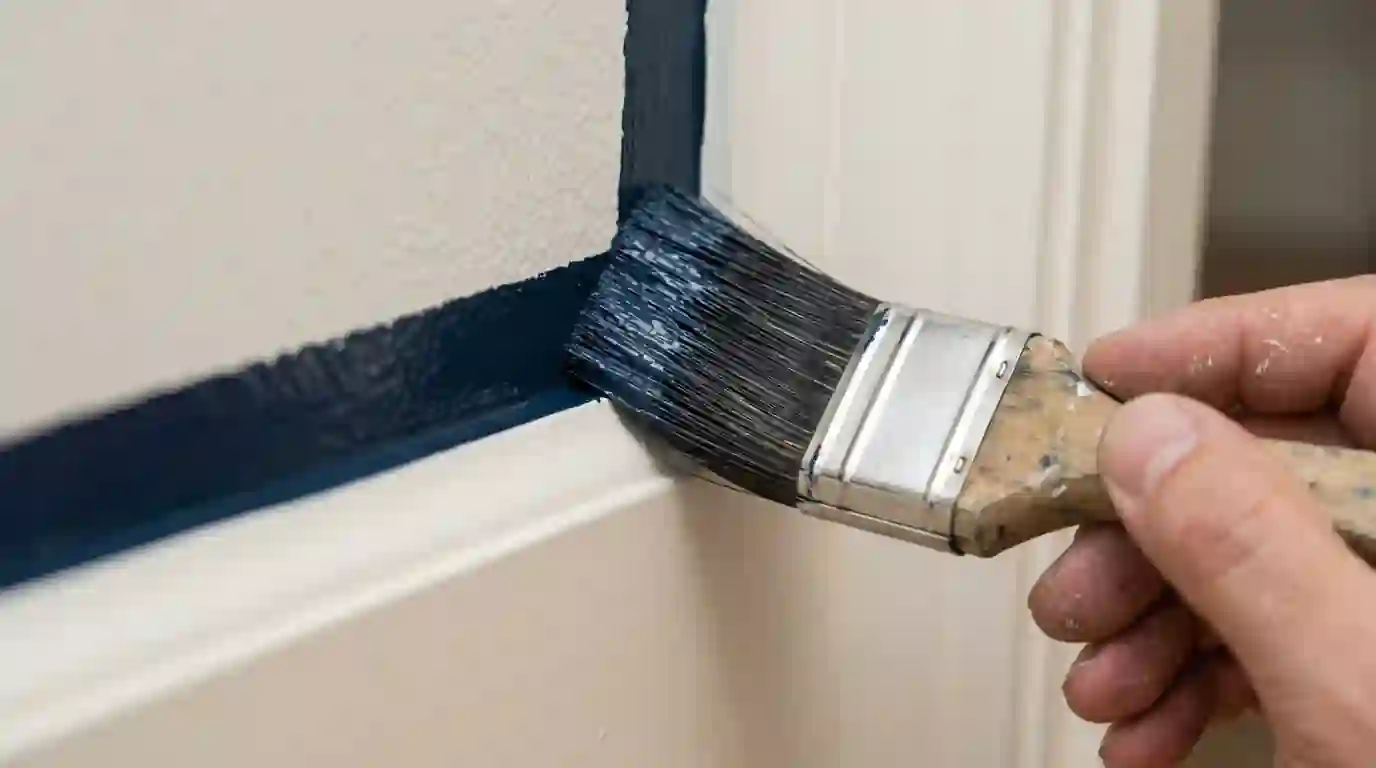
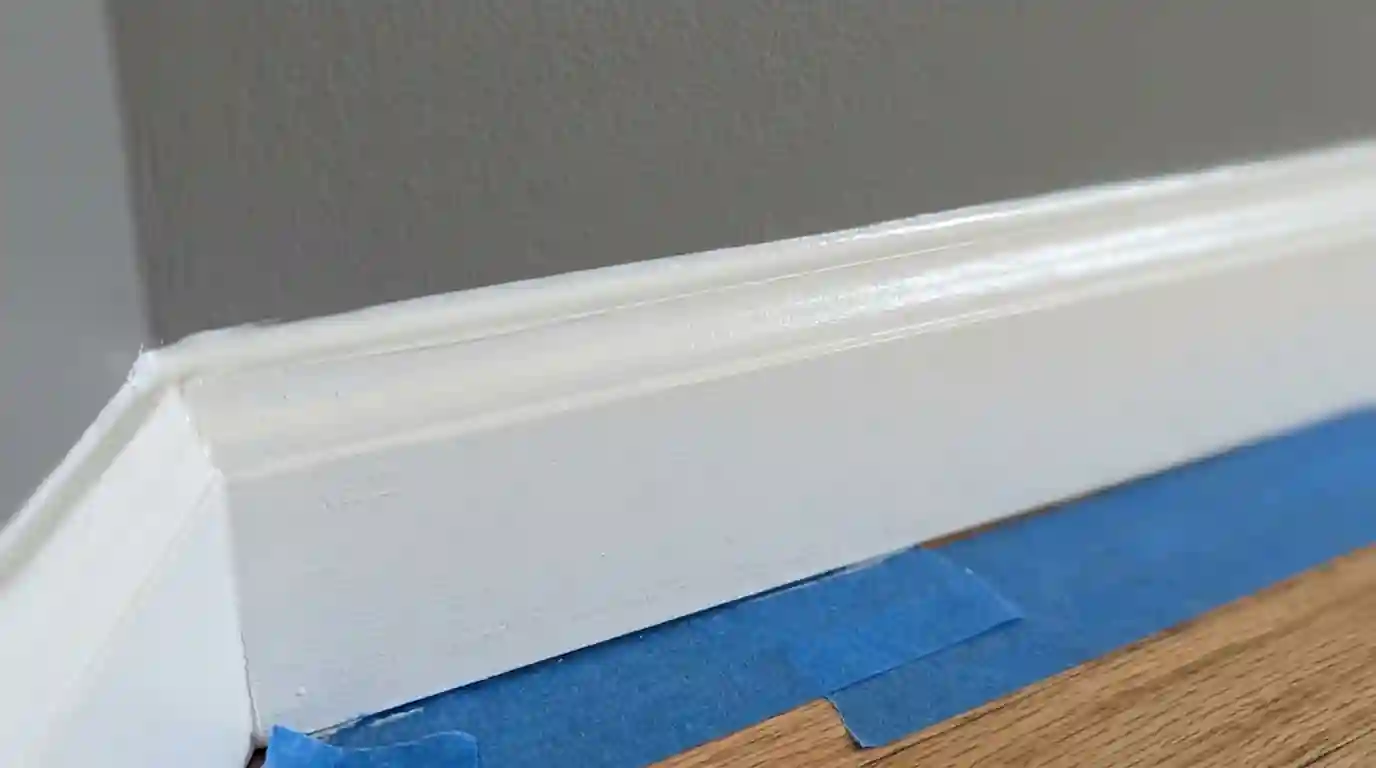
Trim and doors take bumps, hands and vacuum cleaners every day, so they need the hardest finish in the room. Semi-gloss is the traditional choice and gives baseboards, door casings and crown molding a crisp contrast against matte or eggshell walls. Satin is a softer option if you prefer less shine or have older trim with dents and dings you don't want highlighted. For interior doors, a semi-gloss or satin waterborne alkyd enamel levels beautifully and cures harder than standard acrylic. Cabinets and stair handrails get the same treatment, usually a cabinet-grade enamel in satin or semi-gloss. High gloss is rare in homes but can look striking on a front door, a built-in bookcase or a lacquer-style accent. It demands nearly flawless prep, since every brush mark and filled nail hole shows.
- Baseboards and casings: semi-gloss or satin
- Interior doors: semi-gloss enamel
- Cabinets: satin or semi-gloss cabinet enamel
- Stair rails and spindles: semi-gloss
How each sheen cleans and touches up later
Cleaning and touch-up behavior are opposite sides of the same trade. Higher sheens wipe clean more easily, but they're harder to touch up invisibly. A dab of semi-gloss on a wall often shows as a shiny spot, especially in raking light, because the touched area dries with a slightly different sheen and texture. Matte and eggshell blend touch-ups much better. Scrubbing also changes low-sheen paints: rubbing a flat wall hard can burnish it into a shiny patch. For best results, clean any wall with a soft sponge and mild soap, and test on a hidden spot first. When touching up, use paint from the same can if possible, apply with the same tool used originally and feather the edges. We leave labeled leftover paint after every interior job for that reason.
Common sheen mistakes we see in Fort Worth homes
The most frequent mistake is using semi-gloss on walls to make them easier to clean. In many newer homes with orange-peel or knockdown texture, glossy walls highlight every bump and drywall seam. Satin or a scrubbable eggshell usually gives enough washability without the glare. The opposite mistake is putting flat paint in a busy hallway or kid's room, where it scuffs and can't be scrubbed. Another is mixing sheens on the same wall plane, such as touching up an eggshell wall with satin from the garage. Finally, some homeowners choose sheen from a small chip in the store and are surprised when a large wall reads shinier in afternoon sun. If you're unsure, call us and describe the rooms; we'll bring sample boards and test patches.