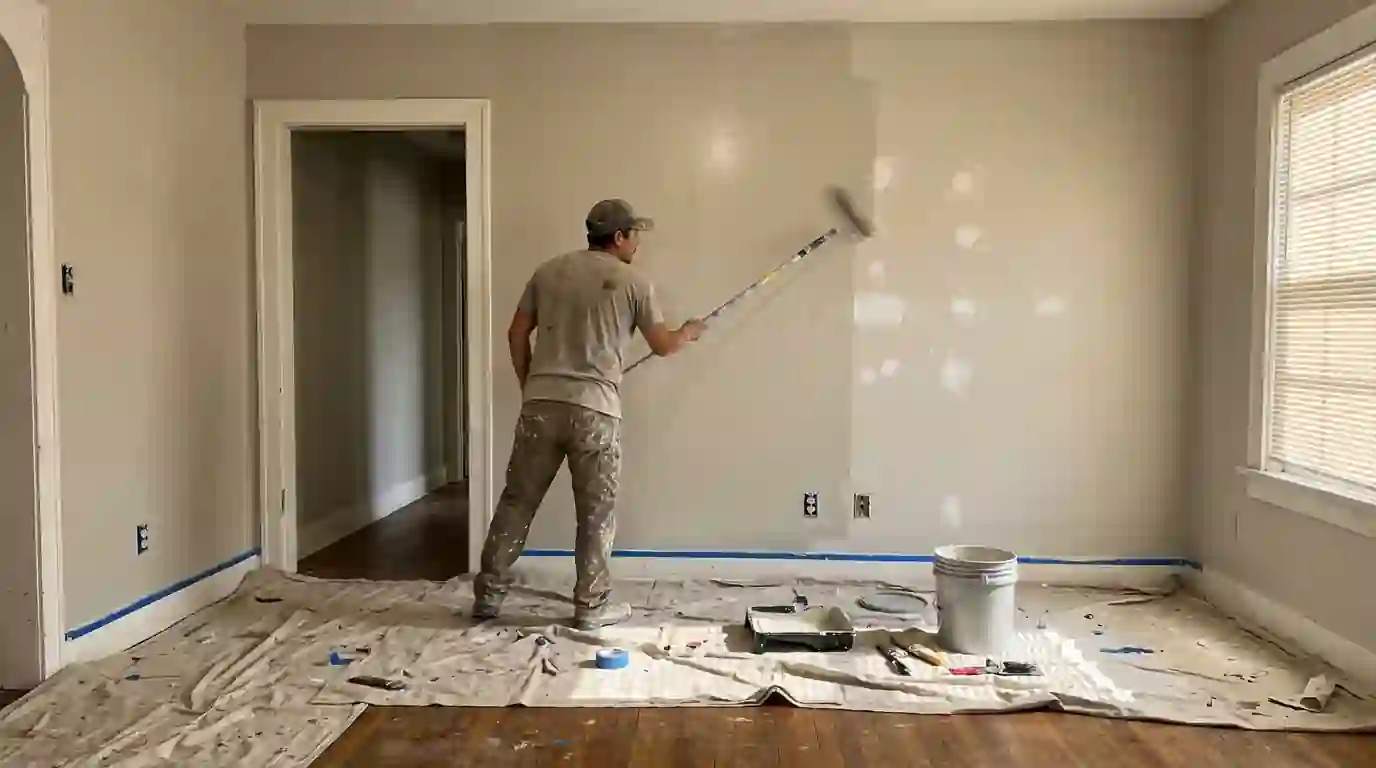
How fast can a vacant unit be ready again?
Most standard turnovers take two to four days from the time we get the keys. A one-bedroom apartment with normal wear can often be done in two days, including patching and touch-up after drywall mud dries. A three-bedroom house with damage, dark accent walls and ceiling stains might take four or five. We'll give you a realistic window at the first walk so you can line up cleaners, carpet and leasing photos behind us.
Speed comes from routine, not rushing. We stock your standard colors before the unit is vacant, bring patch materials and stain blockers on every trip, and sequence the work so mud dries while we prime other rooms. If you have back-to-back move-outs at the end of the month, tell us early and we'll schedule crews across your units in the order your leasing team needs them. Lockbox codes and gate access get confirmed the day before.
Standard colors, sheens and records for each property
Turnovers go faster and cost less when every unit uses the same colors and sheens. We keep a record for each of your properties listing wall color, trim color, ceiling white, sheens and the product line, so we never guess at a match. If your units currently have five different beiges from years of different painters, we'll suggest standardizing to one durable neutral as units turn over. That way the next turnover starts from a known baseline.
For walls, we usually recommend a washable eggshell or a low-sheen matte that handles touch-ups well. Flat paint is cheaper but marks easily, and higher sheens make touch-ups visible. Trim and doors get a semi-gloss enamel that wipes clean. Kitchens and baths get satin or semi-gloss with mildew resistance. Those choices cut down on full repaints at future turnovers, because spot touch-ups blend instead of flashing. Over a few years, the savings add up across a portfolio.
- One wall color and one trim color per property where possible
- Washable eggshell or low-sheen matte on walls
- Semi-gloss enamel on trim, doors and frames
- Color records kept by property address and unit type
What rental turnover painting typically costs in Fort Worth
$1,150 to $2,750 per door
for a typical one or two-bedroom apartment or duplex turnover, walls with trim and doors as needed. Your price comes from a written scope after we see the job.
What moves the number
- Unit size and number of bedrooms
- Nail holes, anchors and drywall damage
- Smoke, water or marker stains to seal
- Walls only versus walls, trim, doors and ceilings
- Dark tenant colors to cover back to standard
- Rush turnaround for a waiting applicant
Damage tenants leave behind and what it takes to fix
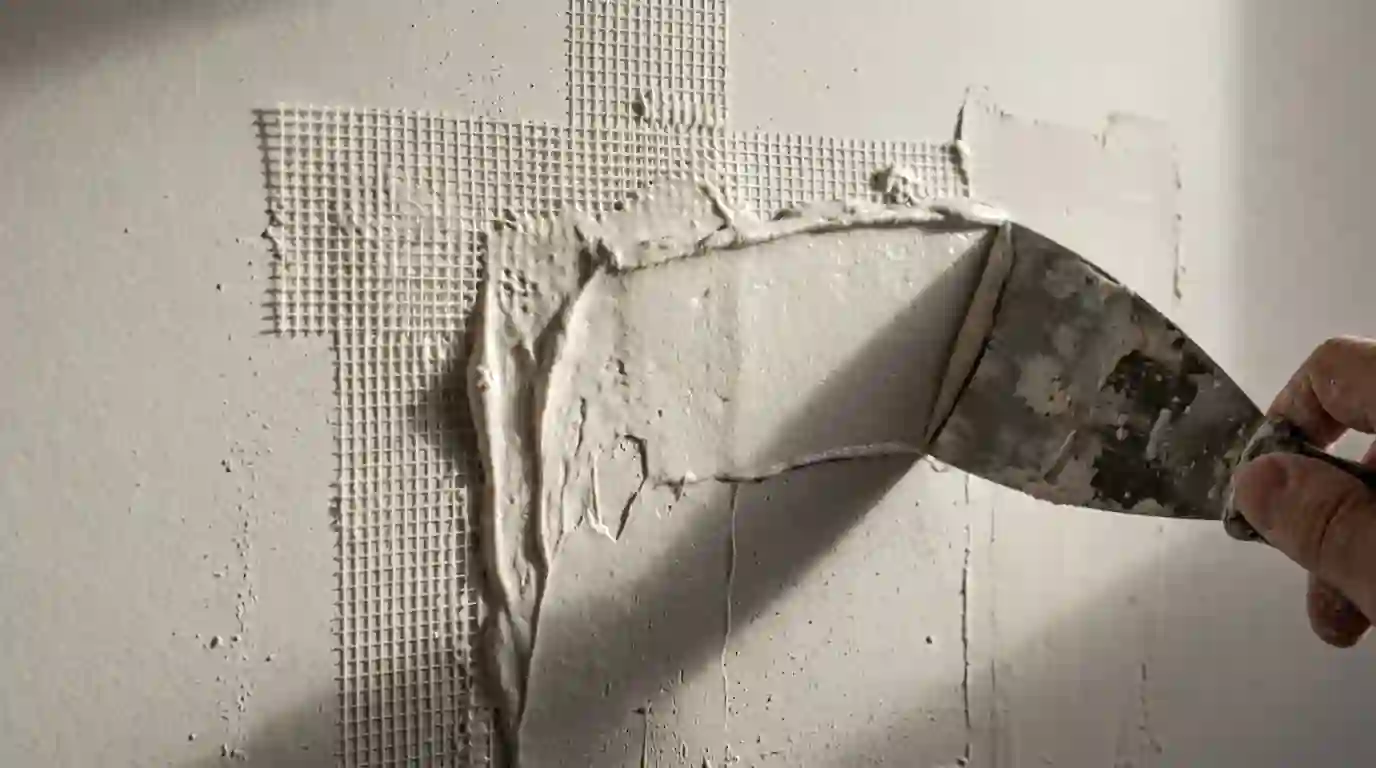
Typical move-out damage includes nail holes, anchors from TV mounts, door knob holes, scuffs, crayon, marker and occasionally smoke staining. Small holes get lightweight spackle. Anchor holes and TV mount holes get filled, taped if needed, and sanded smooth. Door knob holes usually need a self-adhesive patch and two coats of joint compound. We'll photograph unusual damage before repairs so you have records for the security deposit. Those photos also help settle disputes later.
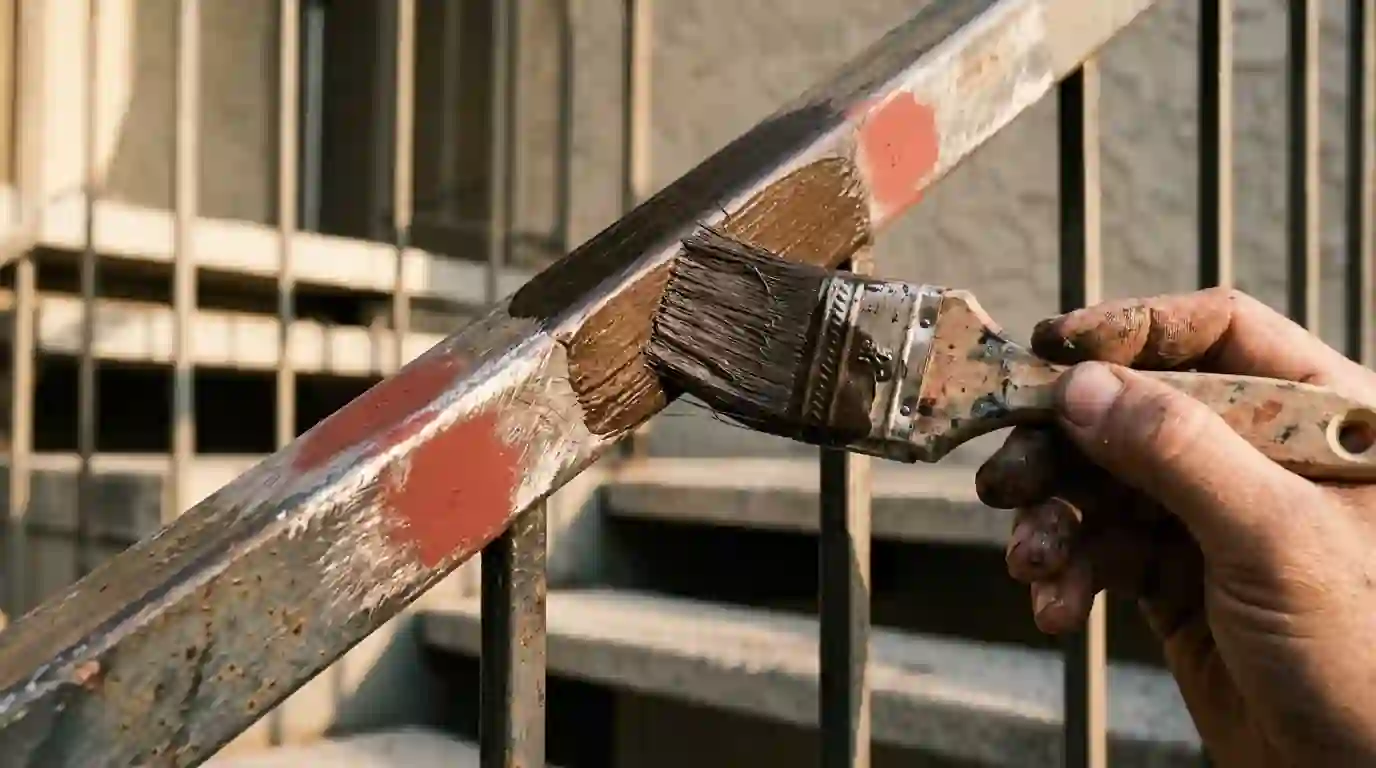
Smoke, marker and water stains won't stay covered with regular paint. We seal them with a stain-blocking primer, shellac-based for nicotine and heavy marker, and waterborne for lighter stains, before finish coats. Pet damage like scratched door bottoms and chewed trim gets sanded, filled and primed. If drywall damage goes beyond patching, such as large holes or water-soaked sections, we'll quote the repair separately so you can decide. Nothing gets hidden behind fresh paint.
Full repaint or touch-up: deciding unit by unit
Not every turnover needs a full repaint. If the last tenant stayed a year or less and the walls were painted in your standard color, a patch-and-touch-up might be enough. Longer tenancies, smokers, dark tenant colors or heavy wear usually call for a full wall repaint. We'll walk the unit and give you both prices when it's close, so you can decide based on the unit, the rent and your next leasing goal.
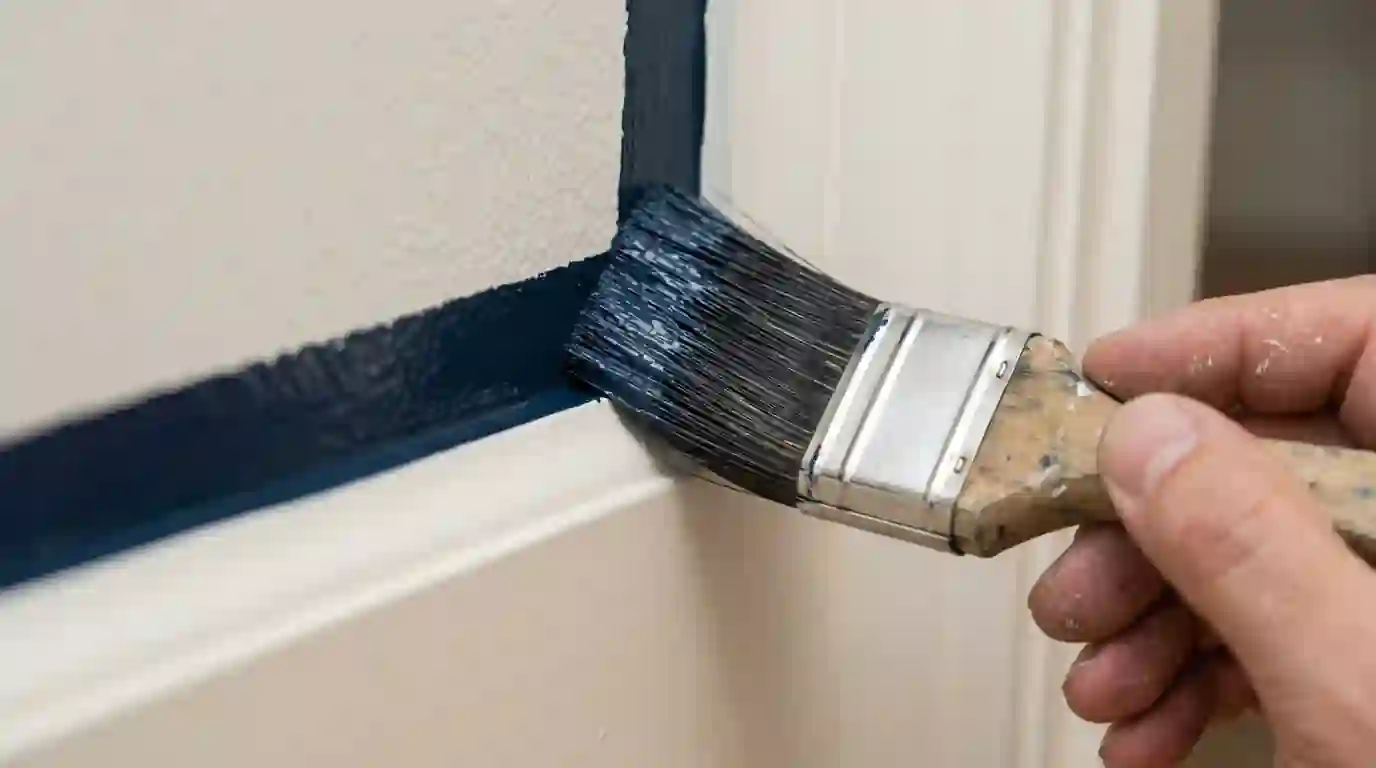
Ceilings are usually only touched up unless there's a stain or smoke residue. Trim and doors are repainted when scuffs and dings are widespread, or spot painted when damage is limited. Accent walls painted by tenants without permission need extra coats to cover, so we note that separately. This approach keeps the average cost per turnover down across a portfolio, which matters more than any single unit. We track which units got full repaints and when.
Working with leasing teams, cleaners and flooring crews
A turnover involves several trades, and paint sits in the middle of the sequence. We prefer to go in after maintenance has fixed plumbing leaks, replaced broken blinds and swapped out damaged doors, but before the final clean and before new carpet or vinyl plank goes down. That order keeps drips off new flooring and lets the cleaners remove our dust along with everything else. If your schedule forces carpet first, we'll mask it carefully and use extra drop cloths.
Your leasing team usually wants photos as soon as possible. We'll tell them the day the walls will be dry and the unit clean enough to shoot, so listings go live without waiting on a final walkthrough. When a unit has an applicant waiting, call us and mark it as a rush. We'll move that door to the front of the line and adjust our other turnovers around it. Rush pricing is quoted up front.
Signs it is time for rental turnover painting
- A lease is ending and the unit needs to be listed again quickly
- Walls show nail holes, anchor holes and scuffs from furniture
- The tenant painted accent walls in dark or bright colors
- Nicotine or marker stains show through on walls or ceilings
- Your units have mismatched beiges from years of different painters
- Leasing photos look dull because walls are dingy or patchy
How we handle rental turnover painting, step by step
- 1
Move-out walk and photos
We walk the vacant unit, photograph damage for your records, and give you a per-door price with options for full repaint or patch-and-touch-up where it's close.
- 2
Patch and stain blocking
Holes and dings are filled and sanded, larger damage is taped and mudded, and smoke, water or marker stains are sealed with the right stain-blocking primer.
- 3
Standard color repaint
Walls are repainted in your property's standard color and sheen from our records, with trim, doors and ceilings painted or touched up as agreed at the walk.
- 4
Clean and protect for the next trade
We remove protection, clean up dust and paint debris, and leave the unit ready for cleaners, carpet or flooring crews, with switch and outlet covers reinstalled straight.
- 5
Report back with photos
You get finished photos and a short note on anything unusual, such as signs of a leak or damaged trim, so your maintenance team can follow up quickly.
Fort Worth conditions that shape rental turnover painting
Rental homes across Fort Worth range from 1950s brick ranches in Wedgwood and Ridglea to duplexes near TCU and newer single-family rentals in north Fort Worth and Saginaw. Older homes often have plaster or textured drywall that needs careful patching to match. Expansive clay soil shifts foundations, which cracks drywall over doors and windows between tenancies. We tape and mud those cracks instead of just caulking, because caulk shows through paint and cracks again. Long summers mean vacant units can get very hot if the AC is set high, which makes paint dry too fast and show lap marks. We ask managers to keep the thermostat near the mid 70s during turnovers so the finish lays down evenly.
Estimate the paint for one room
Enter the room size to get a rough gallon count for walls. It assumes two finish coats and subtracts a typical door and two windows. Textured and porous surfaces drink more paint.
Where we offer rental turnover painting around Fort Worth
Across Fort Worth (76102 and surrounding ZIP codes), including Fairmount, Ryan Place, Mistletoe Heights, Arlington Heights, Tanglewood, Westcliff and other neighborhoods, plus these nearby cities and counties:
- Arlington 76010
- Grand Prairie 75050
- North Richland Hills 76180
- Mansfield 76063
- Euless 76039
- Grapevine 76051
- Bedford 76021
- Keller 76248
- Burleson 76028
- Haltom City 76117
- Hurst 76053
- Southlake 76092
- Weatherford 76086
- Saginaw 76179
- Colleyville 76034
- Benbrook 76126
- Tarrant County 76102
- Denton County 76201
- Johnson County 76031
- Parker County 76086