Homes in Tanglewood and what they ask of paint
Tanglewood took shape in the 1950s and 1960s, and its original houses are mostly long single-story brick ranches with low-pitched roofs, wide eaves and painted wood trim. Lots are generous and heavily treed, and plenty of homes have been expanded with rear additions, sunrooms or second stories. Others have been torn down for new builds. That mix means one house can contain original plaster-and-lath or early drywall, newer additions with modern texture, and trim that was oil-painted decades ago. Oil-based trim enamel under a later latex layer is common here, which is why we test adhesion before deciding on a primer.
Getting latex to stick to old oil trim in a Tanglewood ranch
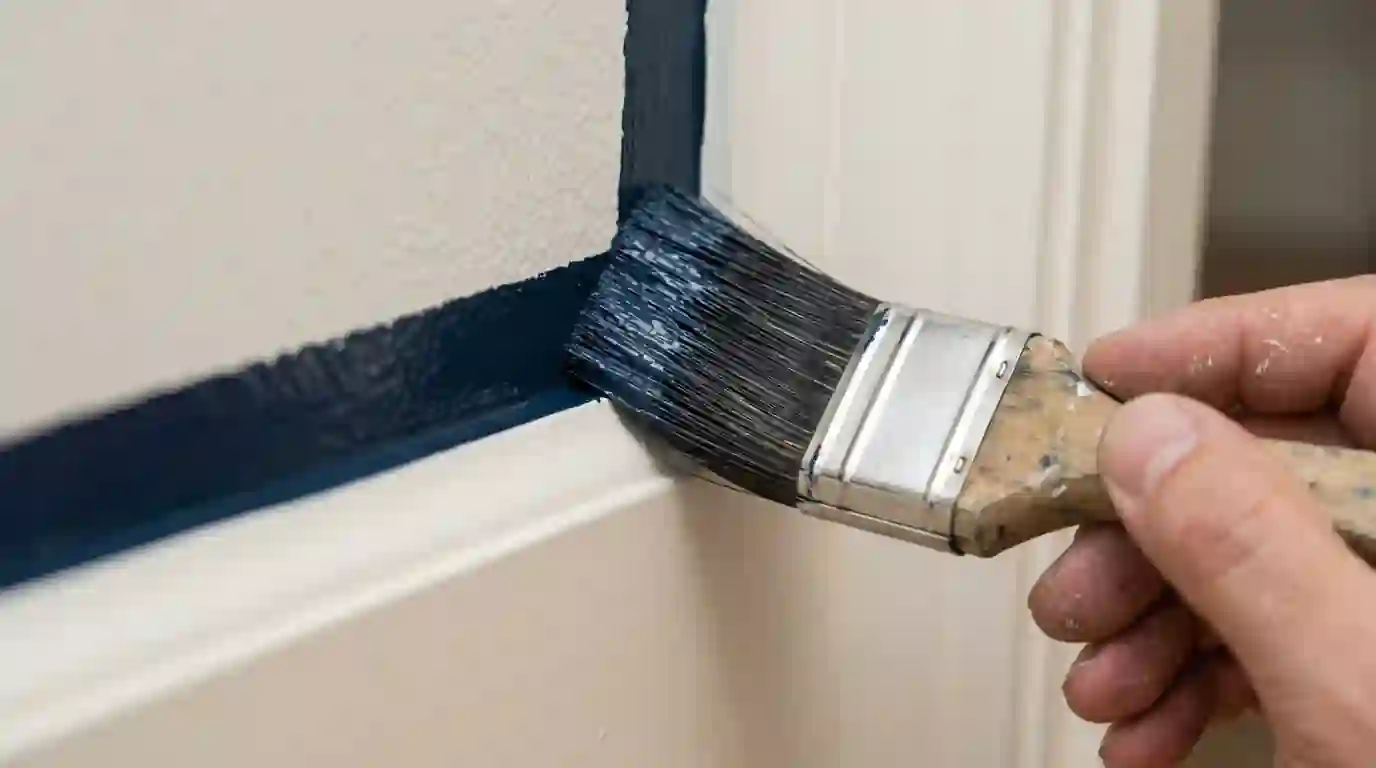
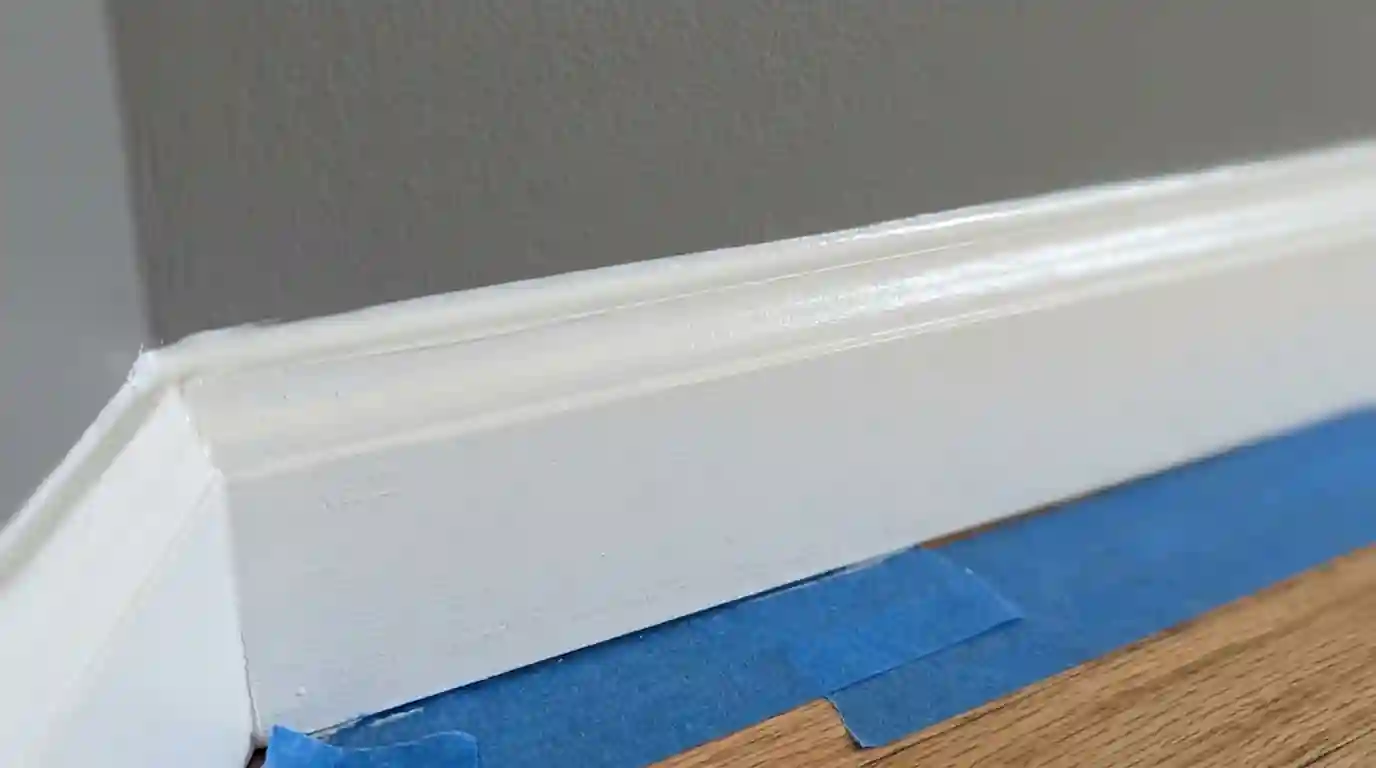
Rub a cotton ball dampened with denatured alcohol on a baseboard. If paint comes off, it's latex; if nothing transfers, it's probably oil. Many Tanglewood homes have oil trim under one or two coats of latex that has started to peel at door edges and window stools. We scuff glossy surfaces with 180-grit, remove anything loose, and prime with a bonding primer before applying a waterborne alkyd or acrylic enamel.
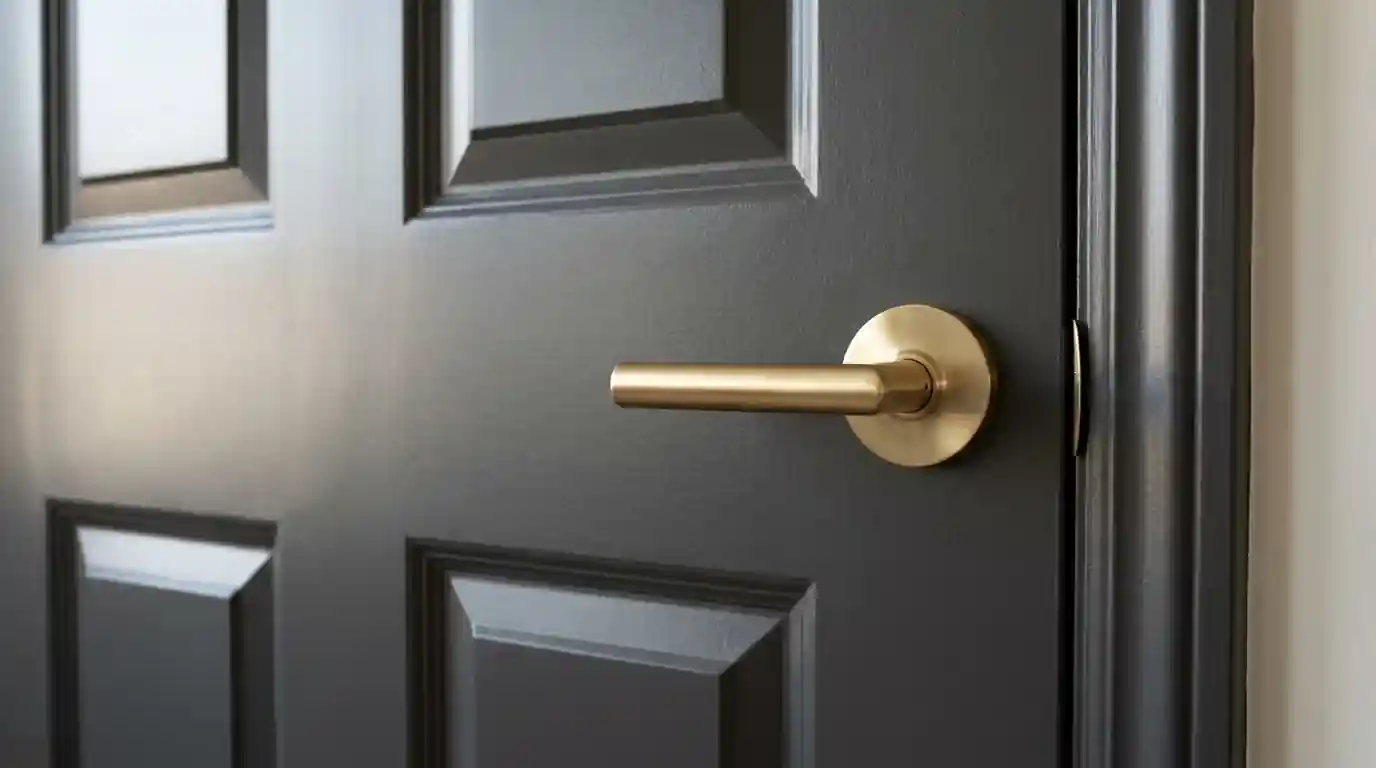
That sequence takes an extra half day on a typical floor of trim, but it's the difference between enamel that holds and enamel that scratches off with a fingernail. On doors, we take them off the hinges, lay them flat on stands and finish both faces so you don't get sags along the panels. Hardware is bagged and labeled room by room so nothing goes back on the wrong door.
- Alcohol test to identify oil versus latex
- Scuff sanding with 180-grit before priming
- Bonding primer on every glossy surface
- Doors finished flat to avoid runs
Blending old rooms with a new addition
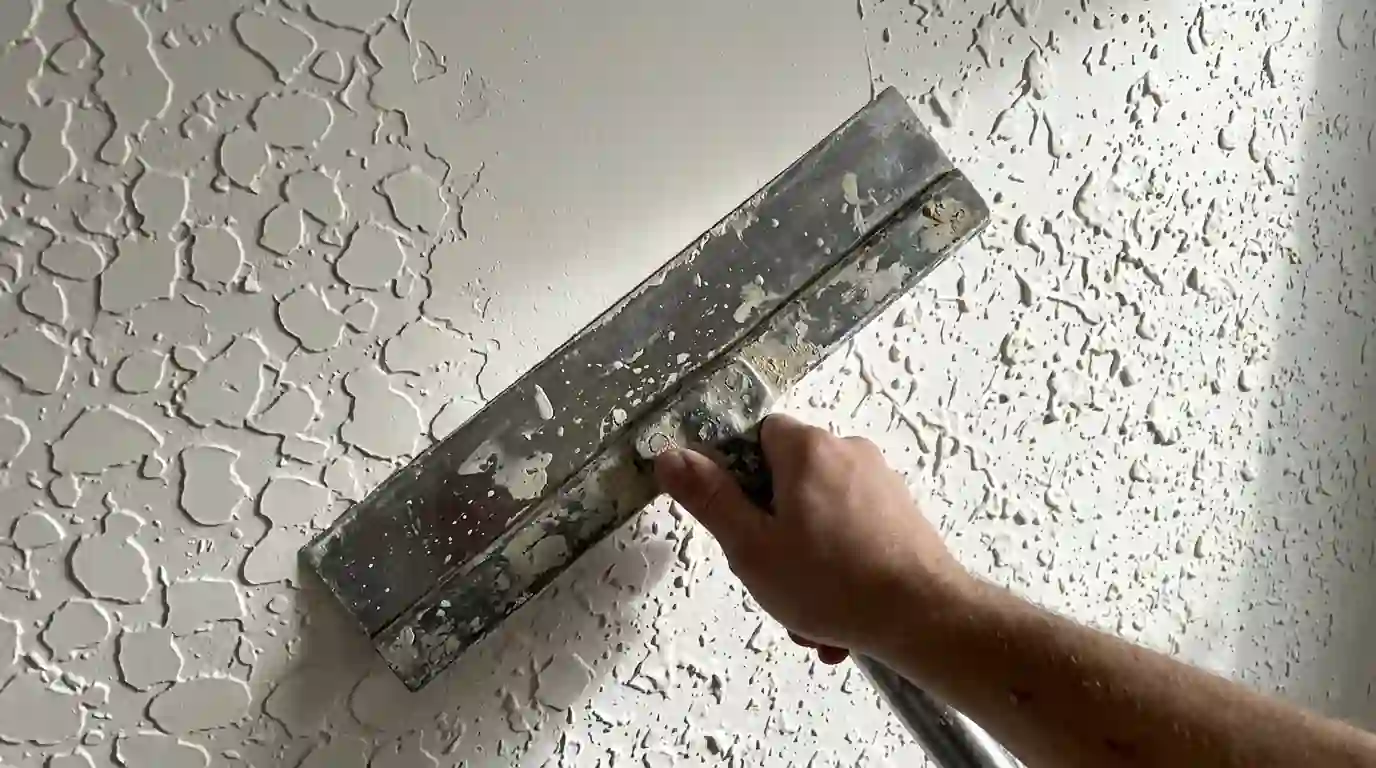
When a Tanglewood home has been added onto, the original rooms often have smooth plaster or light hand texture while the addition has orange-peel or knockdown. Painting them the same color can make that difference more obvious, not less. We can skim or retexture transition walls so the change happens at a natural break, such as a doorway or cased opening, and we match sheens carefully so light reads evenly across both spaces.
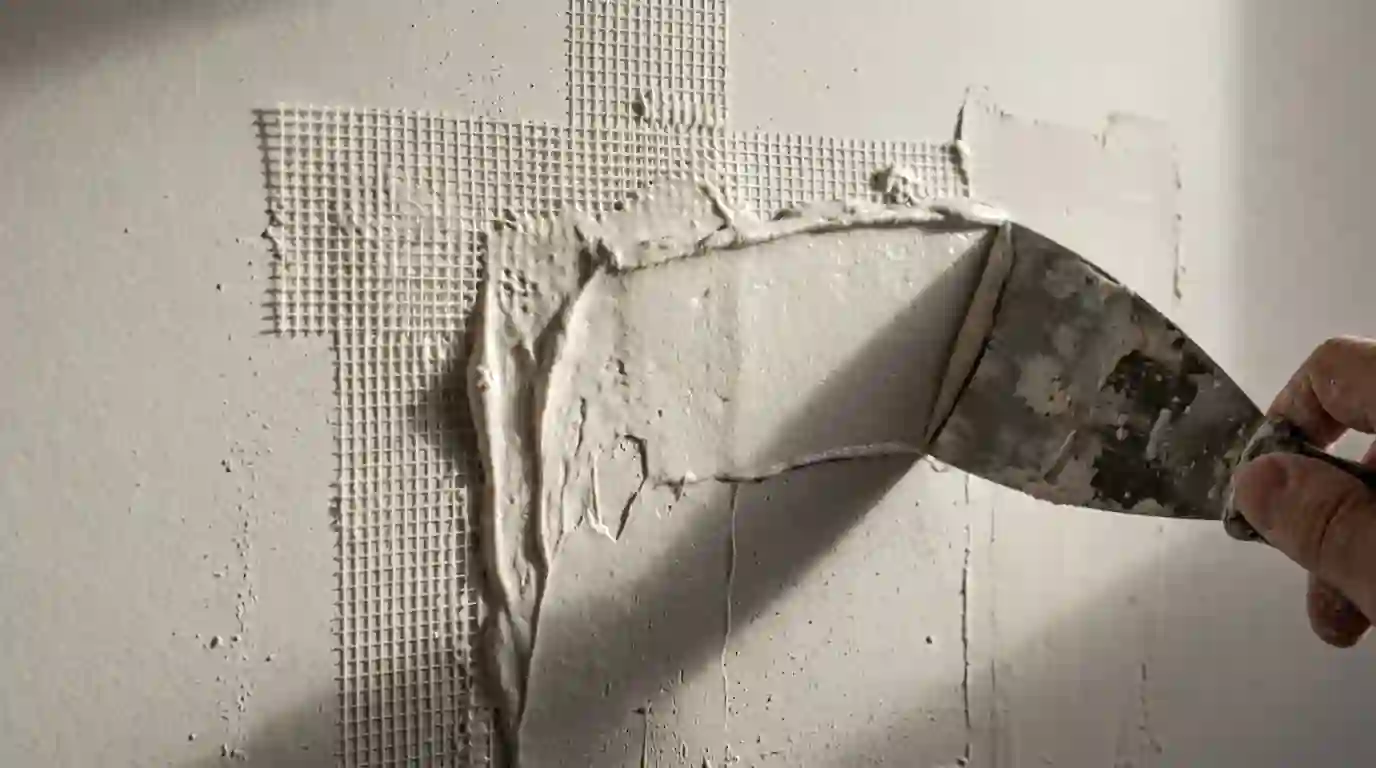
We also look for hairline cracks running from door corners and window heads. Tanglewood sits on expansive clay, so slab movement keeps reopening those joints. We cut them open, embed mesh tape, feather two or three coats of joint compound and prime before painting so the repair has the best chance of staying hidden. Nail pops get reset with a drywall screw beside the old nail, then spotted and sanded flush.
What Tanglewood interior painting usually costs
A full interior repaint of a typical 2,200 to 2,800 square foot Tanglewood ranch, covering walls, ceilings and trim, usually runs $7,450 to $14,300. Walls only cost considerably less, while heavy trim, paneled doors, built-in bookcases and drywall repair push the number up. That range depends on room count, color changes, ceiling height and how much furniture must be moved, so treat it as a typical range rather than a quote.
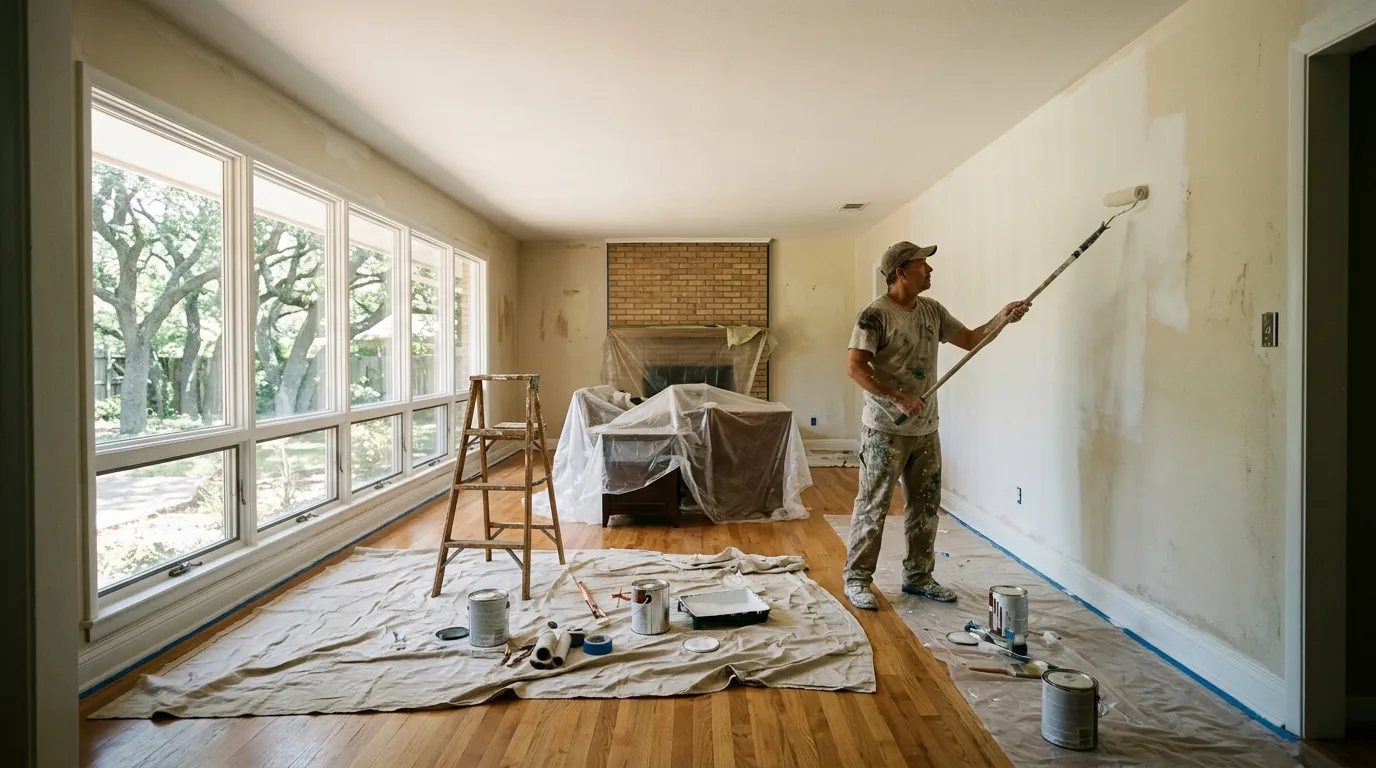
We can phase the work room by room if you're living in the house, keeping bedrooms usable at night and finishing common rooms on consecutive days. Give us a call and describe which rooms need work, and we'll walk through with you to price it line by line. If a remodel is underway, we coordinate with your cabinet or flooring installer so paint goes on after the dusty work is done.
Streets and places we know in Tanglewood
- Bellaire Drive
- South Hulen Street
- Tanglewood Elementary School
- Trinity Trails along the Clear Fork