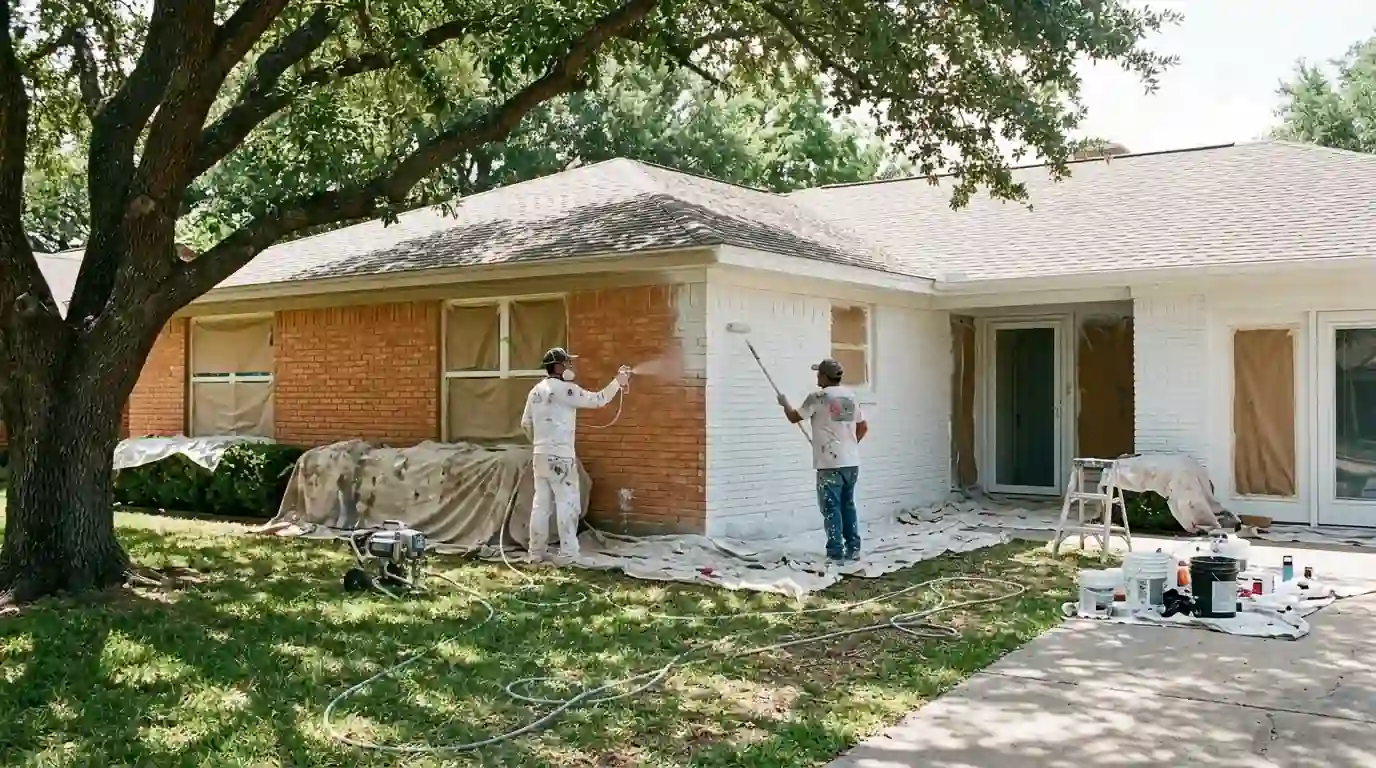
Is painting your brick the right call for your house?
Unpainted brick needs almost no maintenance, so painting it is a real commitment. Once coated, the wall will want a refresh every eight to fifteen years depending on the product and exposure. We tell homeowners that up front. The trade-off is often worth it: a patchwork of mismatched brick from an old addition, a dated orange-red blend, or a wall scarred by previous repairs can all look unified under a single color. For many 1960s and 1970s ranches in Wedgwood or Westcliff, painted brick is what makes the house feel current again.
If you mainly want a softer, aged look and some brick texture showing through, a limewash or German smear may fit better. Those finishes soak into the surface rather than coating it, so they weather gradually instead of peeling. Full paint gives you a solid, even color and the widest palette, from crisp white to deep charcoal. We'll brush both options on a sample area, usually a few square feet near a corner, and let you see them in morning and evening light before you choose.
Coatings that let masonry breathe instead of trapping water
Brick absorbs water from rain, sprinklers and the soil, then releases it as vapor. A paint that blocks that vapor traps moisture behind the film, which leads to bubbling, peeling and spalled brick faces after a freeze. So we steer away from ordinary house paint and use coatings made for masonry. Mineral silicate paints chemically bond with the brick and stay very vapor-open. Acrylic masonry paints offer a broad color range with good breathability. Elastomeric coatings bridge hairline cracks but are less breathable, so we reserve them for specific conditions.
Primer choice follows the topcoat. Silicate systems usually go on bare, clean brick or over a matching silicate primer. Acrylic systems start with an alkali-resistant masonry primer, because fresh mortar and many brick faces are alkaline enough to burn ordinary latex binders. On brick that was painted years ago with a sound, breathable product, a scuff and a bonding primer may be enough. We test old coatings with a crosshatch tape pull before deciding, since the primer is the layer everything else depends on.
- Mineral silicate: most breathable, matte finish, limited deep colors
- Acrylic masonry paint: wide color choice, good vapor movement
- Elastomeric: bridges hairline cracks, thicker film, used selectively
- Alkali-resistant masonry primer under acrylic systems
What brick painting typically costs in Fort Worth
$4,650 to $10,300
typical range for 1,200 to 2,200 sq ft of exterior brick wall, not a quote. Your price comes from a written scope after we see the job.
What moves the number
- Total brick square footage and wall height
- Mortar joints needing repointing
- Efflorescence or mildew needing treatment
- Coating type: mineral silicate, masonry acrylic or elastomeric
- Deep raked joints or textured brick that drink paint
- Trim and windows painted in the same project
Cleaning, efflorescence and mortar repair before color
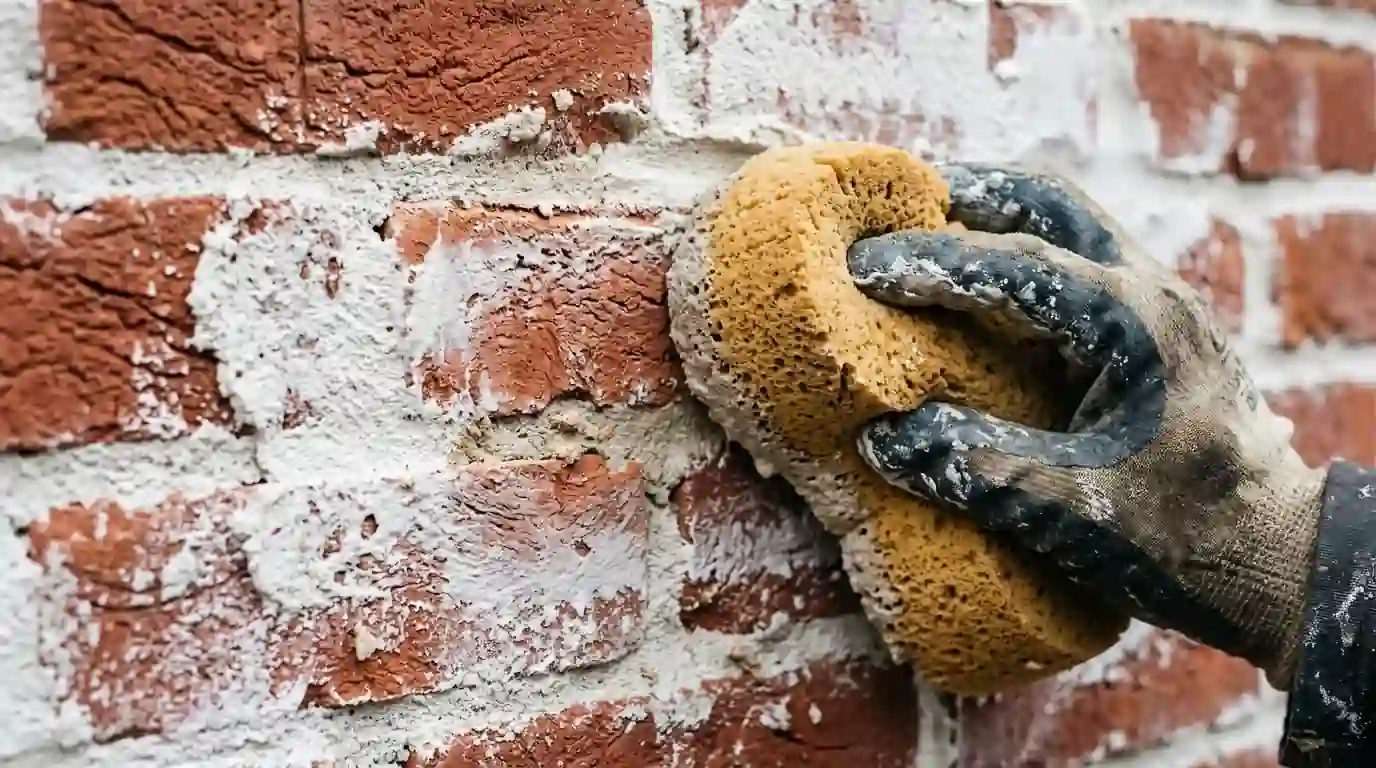
White chalky streaks on brick are efflorescence, salts carried out by moisture. Paint over them and the salts keep pushing, lifting the film. We brush off loose salts, wash with a masonry cleaner, and look for the moisture source, often a sprinkler head aimed at the wall or a downspout dumping against the foundation. Mildew on shaded north walls gets a separate cleaner and a thorough rinse. Soot near grills and chimneys needs a degreasing cleaner, since paint will not hold on an oily film.
Mortar matters as much as the brick. Cracked or crumbling joints are raked out and repointed with mortar that matches the hardness of the original, then left to cure for several days. Stair-step cracks from clay-soil foundation movement get sealed with a flexible masonry sealant where repointing alone would just crack again. Only after the wall has dried for at least 48 hours of clear weather do we start priming.
How we apply paint to rough, porous brick
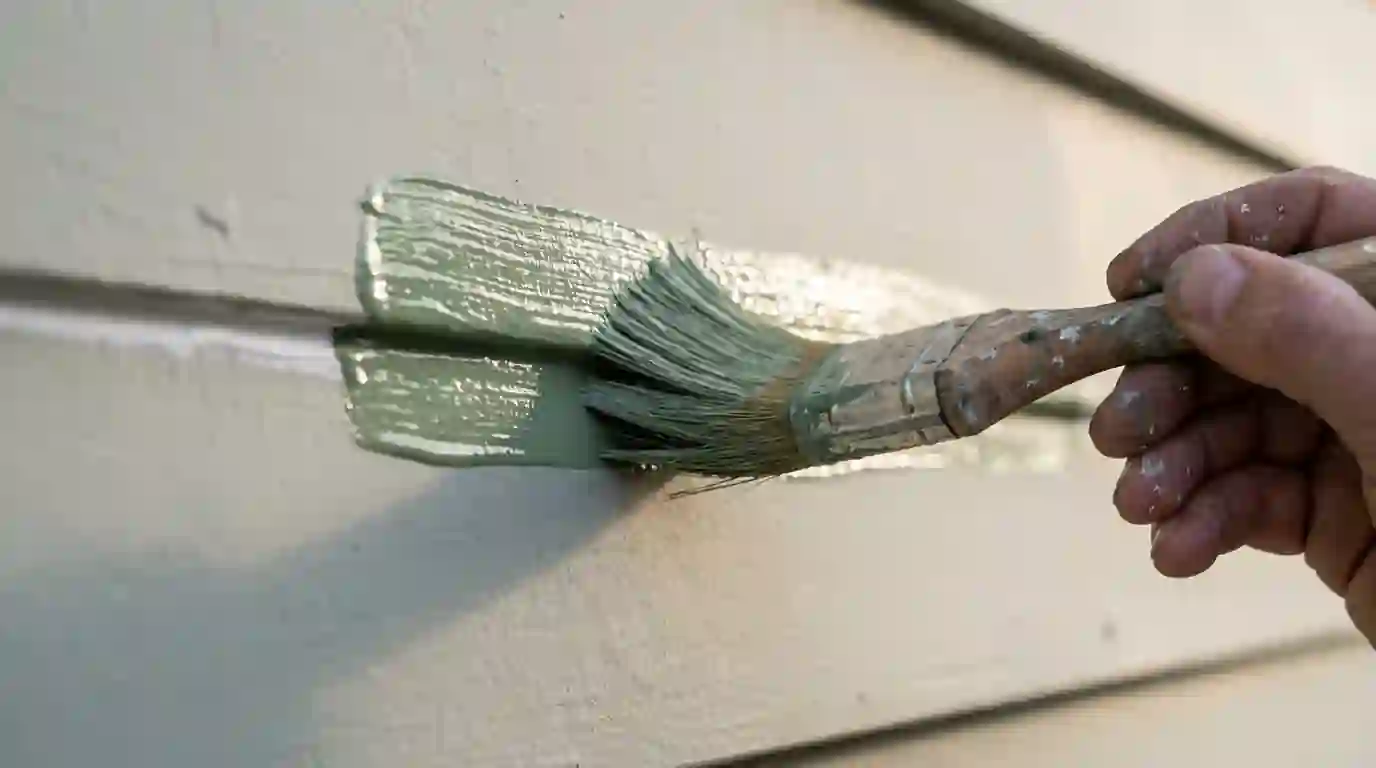
Brick has deep pores and recessed joints, so a roller alone leaves pinholes. We spray the coating to get material into every pore, then back-roll with a thick 1-inch nap roller to press it in and even the texture. Joints get a brush where spray and roller miss. Expect brick to absorb far more paint than siding: a first coat on raw, porous brick can use nearly twice the material of the second coat.
We apply within the product's temperature window, typically 50F to 90F for acrylics and slightly narrower for silicates, and keep off walls in direct afternoon sun during summer. Most masonry acrylics recoat in four to six hours, while silicates often need twelve or more. Full cure takes several weeks, so we ask you to hold off pressure washing the wall for at least a month. Sprinklers should be paused or turned away from the wall for about a week while the coating hardens.
Signs it is time for brick painting
- Your brick is a dated orange or red blend that clashes with new roofing
- An addition or repair left two brick colors that never matched
- Old paint on brick is peeling in sheets near the foundation
- White efflorescence streaks keep coming back under windows
- Smoke or soot stains near a chimney or grill area won't wash off
- You're preparing the house for sale and want a fresher curb look
How we handle brick painting, step by step
- 1
Sample and moisture check
We test a hidden patch with your chosen coating, check moisture with a meter at several heights, and trace any water sources like sprinklers or gutters soaking the wall.
- 2
Clean and treat
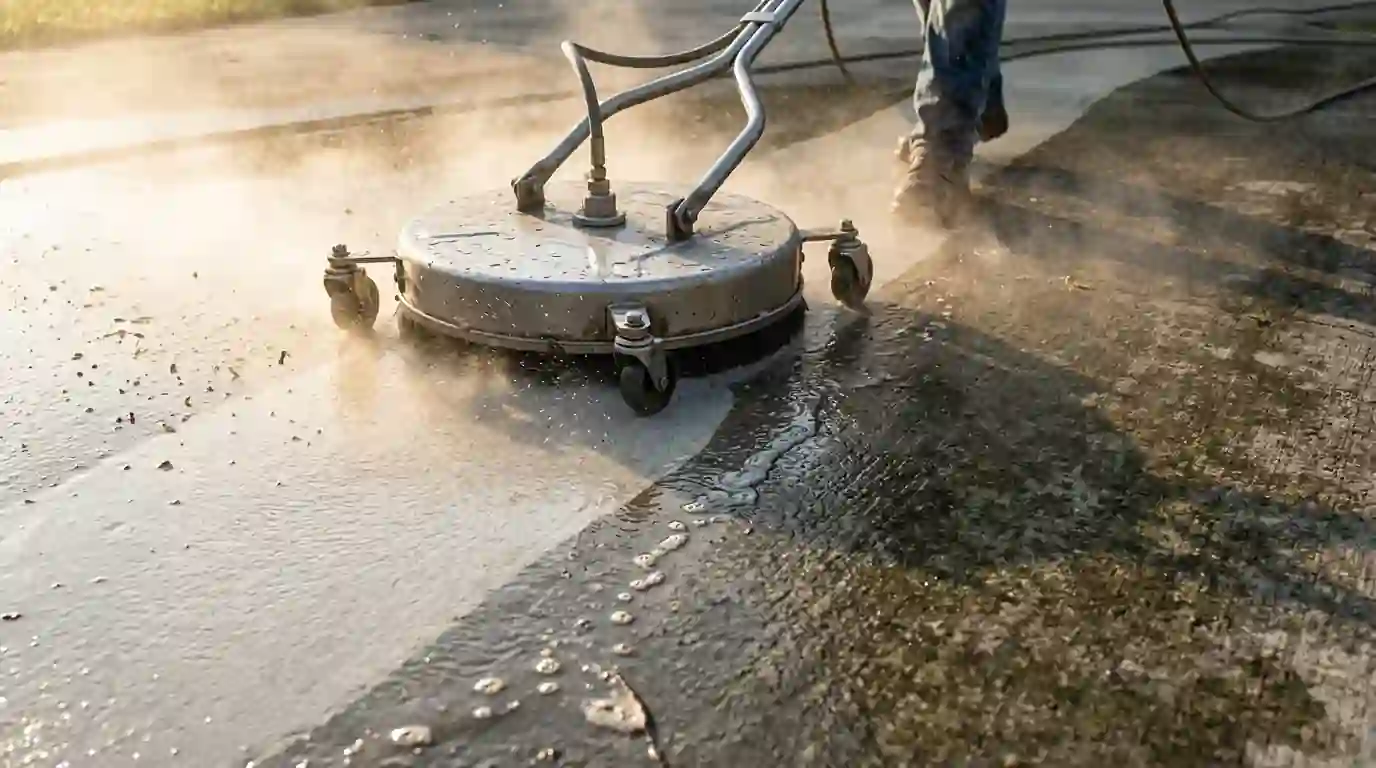
Brick is washed with a masonry cleaner at low pressure, efflorescence is brushed and neutralized, and mildew areas get their own treatment before a full rinse.
- 3
Repoint and seal cracks
Failed mortar is raked out and repointed, stair-step cracks get a flexible masonry sealant, and the wall cures and dries for at least two clear days.
- 4
Mask and prime
Windows, trim, lights and landscaping are masked with film and paper, then we apply an alkali-resistant masonry primer or silicate base coat matched to the chosen finish system.
- 5
Spray and back-roll two coats
Each coat is sprayed into pores and back-rolled with a thick nap, with joints brushed. We respect recoat times so the coating cures evenly across the wall.
- 6
Detail and final walk
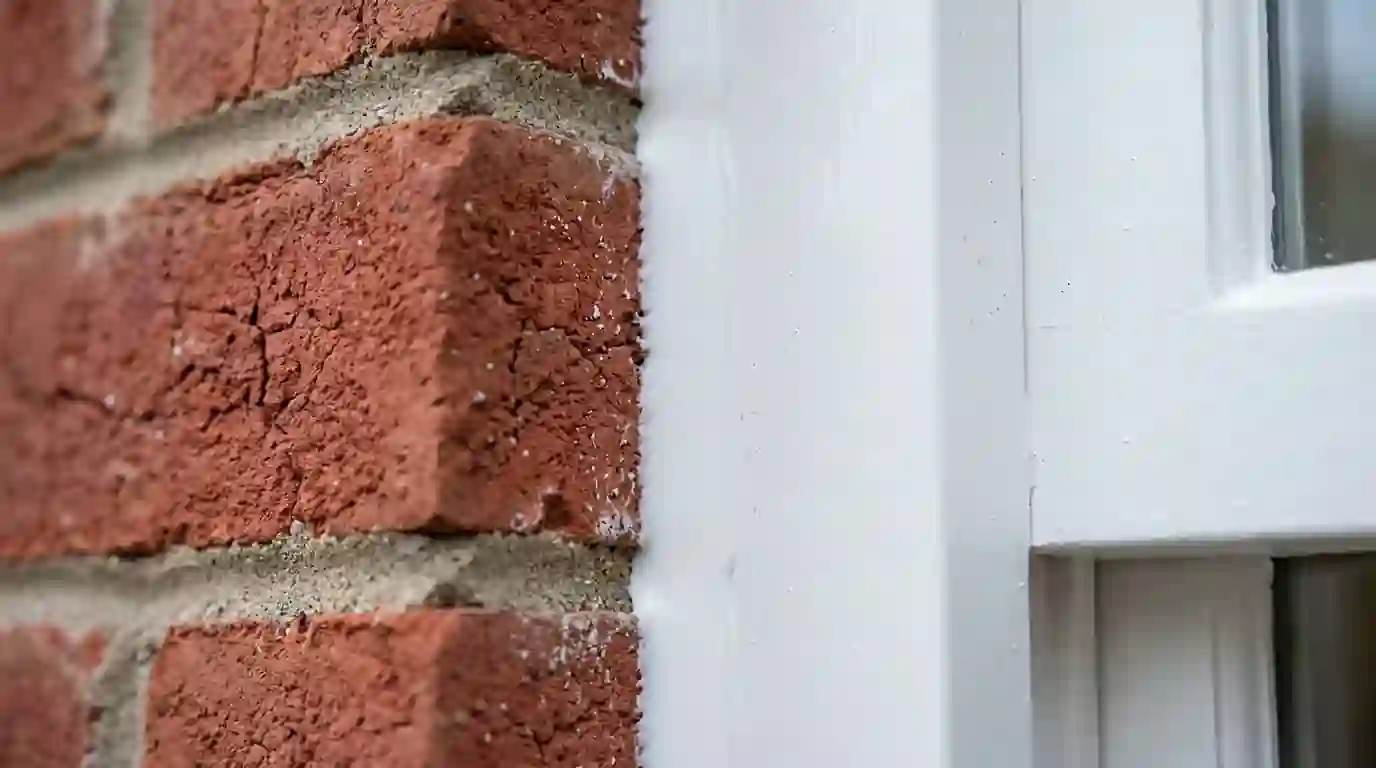
We cut clean lines at trim and windows, check joints for pinholes, walk the wall with you in daylight, fix anything you flag and leave labeled touch-up paint.
Fort Worth conditions that shape brick painting
Most Fort Worth houses built from the 1950s on wear brick veneer, which is why brick painting comes up so often here. The clay soil under those homes moves with wet and dry seasons, opening stair-step mortar cracks that need attention before any coating goes on. Hard summer sun heats brick walls well past air temperature, so we schedule west and south walls for mornings in warm months. Sprinkler systems are another local culprit, soaking the bottom courses daily and pushing salts through the face. We adjust or flag heads that spray the wall. And because some HOAs in neighborhoods like Summerfields restrict painted brick, we recommend checking your deed rules before choosing a color.
Where we offer brick painting around Fort Worth
Across Fort Worth (76102 and surrounding ZIP codes), including Fairmount, Ryan Place, Mistletoe Heights, Arlington Heights, Tanglewood, Westcliff and other neighborhoods, plus these nearby cities and counties:
- Arlington 76010
- Grand Prairie 75050
- North Richland Hills 76180
- Mansfield 76063
- Euless 76039
- Grapevine 76051
- Bedford 76021
- Keller 76248
- Burleson 76028
- Haltom City 76117
- Hurst 76053
- Southlake 76092
- Weatherford 76086
- Saginaw 76179
- Colleyville 76034
- Benbrook 76126
- Tarrant County 76102
- Denton County 76201
- Johnson County 76031
- Parker County 76086