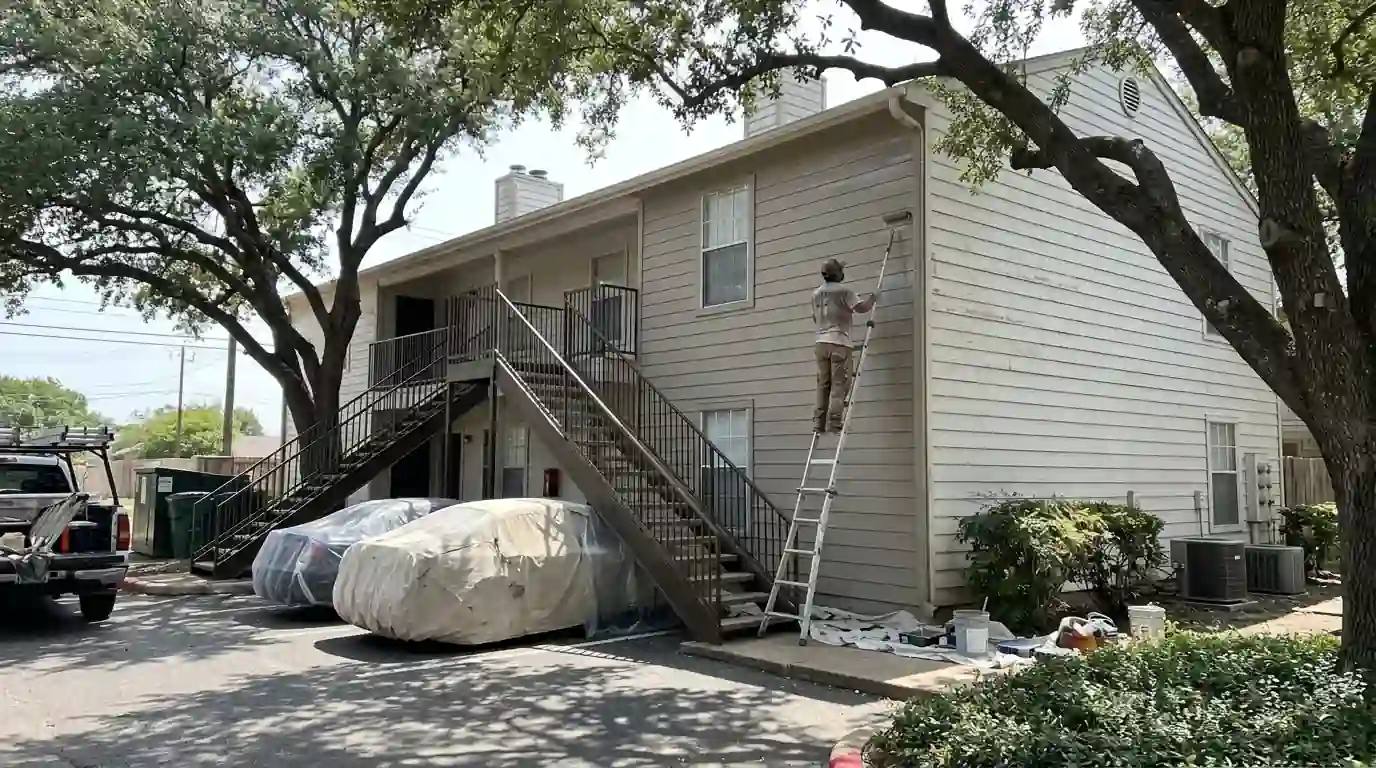
Phasing a repaint building by building
Most Fort Worth apartment communities are garden-style, with two or three-story walk-up buildings around parking lots. We don't scatter crews across the whole property. Instead, we take two or three buildings at a time through washing, wood repair, caulk, prime and finish, then move on. That keeps disruption local, makes it easy for residents to know when their building is up, and lets your maintenance team inspect finished buildings as we go.
Before each phase starts, we give the leasing office a notice template with dates, parking changes, what to remove from balconies and patios, and when windows should stay closed. Notices typically go out 72 hours ahead, with a reminder the day before. Our crew lead walks the building with your maintenance supervisor at the end of each phase, so the punch list is handled while the lifts and ladders are still on site.
- Pressure wash and dry time: 1 to 2 days per building
- Wood repair, caulk and spot prime: 1 to 3 days
- Body, trim and doors: 2 to 4 days depending on height
- Breezeways and steel stairs scheduled around resident traffic
Steel stairs, railings and breezeways need their own system
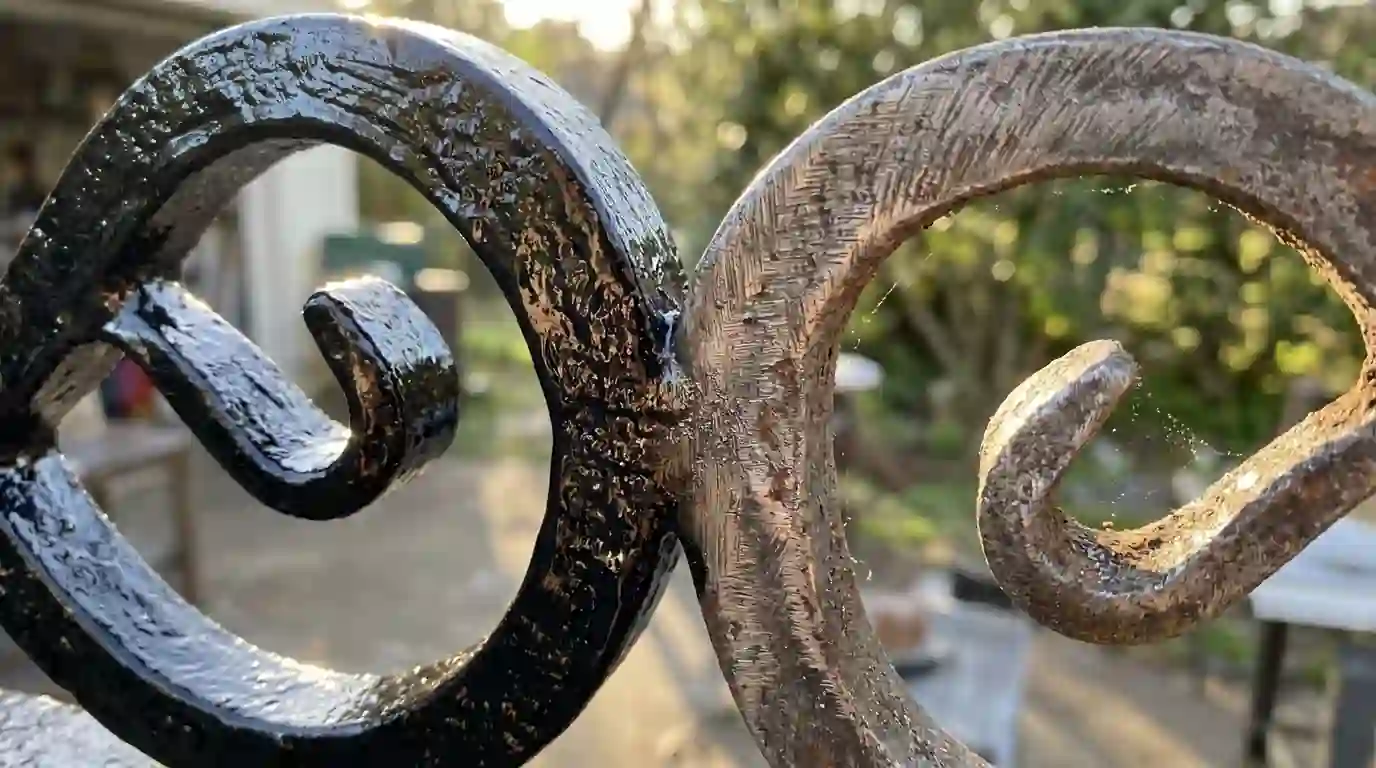
The exterior steel stairs at most garden-style communities are the hardest-working surface on the property. Water sits in the pan treads, rust starts at welds, and railings flake where residents grab them every day. A quick color coat over rust looks good for a season and then bleeds through. We scrape and wire brush to sound metal, sand edges with 80 to 120 grit, spot prime with a rust-inhibitive primer, and finish with a direct-to-metal enamel or a waterborne alkyd.
Because stairs are the only way in and out of upper units, we never close a full stairwell. We paint one side of the treads or every other tread first, mark wet areas clearly, and finish the rest after the first side is dry enough to walk on. Breezeway ceilings get a mildew-resistant flat or satin, and hallway walls get a scrubbable finish because moving day damage is constant. If concrete pan treads are cracked or stringers are badly rusted, we flag them for your structural repair vendor.
What apartment & multifamily painting typically costs in Fort Worth
$1,850 to $4,600 per unit
for a typical garden-style community exterior repaint, spread across all units. Your price comes from a written scope after we see the job.
What moves the number
- Building height and number of stories
- Siding, stucco or brick-and-siding mix
- Rotted trim, fascia and balcony wood to replace
- Steel stair stringers, treads and railings
- Resident parking and car-moving logistics
- Number of buildings per phase
Siding, trim and balcony wood on older communities
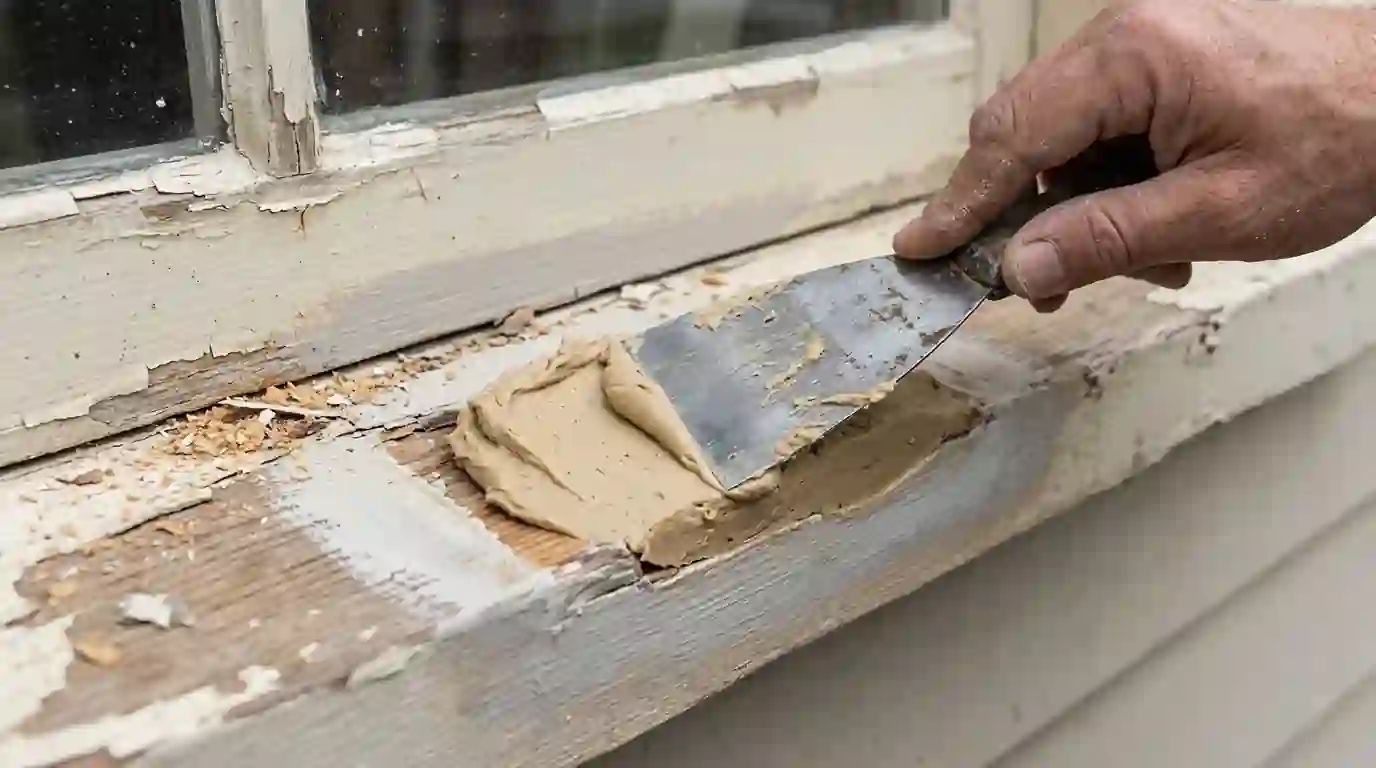
Communities built from the 1970s through the 1990s around Fort Worth often have wood or composite lap siding, wood fascia and wooden balcony rails, with brick on the first floor. Those materials rot first at the bottom of corner boards, at balcony posts and where gutters overflow. We probe suspect areas with an awl, replace soft wood with primed lumber or fiber-cement trim, and seal end grain before painting so the repair doesn't fail again in two years.
We price wood replacement by the linear foot or by the piece and flag counts in the bid, so you can see exactly how much rot work is in the scope. On newer fiber-cement and stucco buildings, the focus shifts to caulk joints, hairline stucco cracks and chalking on sunny elevations. Brick is usually left unpainted unless it was painted before. Either way, we use a premium 100% acrylic exterior paint because it stays flexible through Texas heat swings.
Unit interiors on an occupied property
Sometimes an owner wants occupied units refreshed during a renovation program, not just at turnover. That takes careful scheduling with residents. We confirm entry dates through the leasing office, protect floors and furniture, paint in one day where possible, and use zero-VOC flat or eggshell so the unit is livable that night. Pets must be secured or out of the unit, and we photograph conditions on entry so there are no disputes later.
Interior pricing is per unit and depends on floor plan, wall and ceiling colors, door and trim scope, and whether kitchens and baths get a different sheen. Accent walls or two-tone schemes add time. For renovation programs where you're upgrading units as leases end, we can work alongside your flooring and countertop vendors so painting happens before the new floors go in, which saves time and avoids paint drips on new finishes.
Signs it is time for apartment & multifamily painting
- Rust is bleeding through paint at stair stringers, treads and railing posts
- South and west building faces look chalky and faded compared to shaded sides
- Balcony rails and fascia boards feel soft or show open end grain
- Caulk around windows and siding joints has cracked and pulled away
- Prospective residents mention the property looking dated on tours
- Lenders, buyers or new ownership require exterior improvements
How we handle apartment & multifamily painting, step by step
- 1
Property survey and scope
We walk every building, count units, stairs and doors, probe wood for rot, and note substrate types so the bid reflects real conditions instead of a guess from a site plan.
- 2
Phase plan and resident notices
We group buildings into phases, set start dates, and provide notice templates for the leasing office covering parking, balcony items, pets and window access. Residents always know their dates.
- 3
Wash, repair and caulk
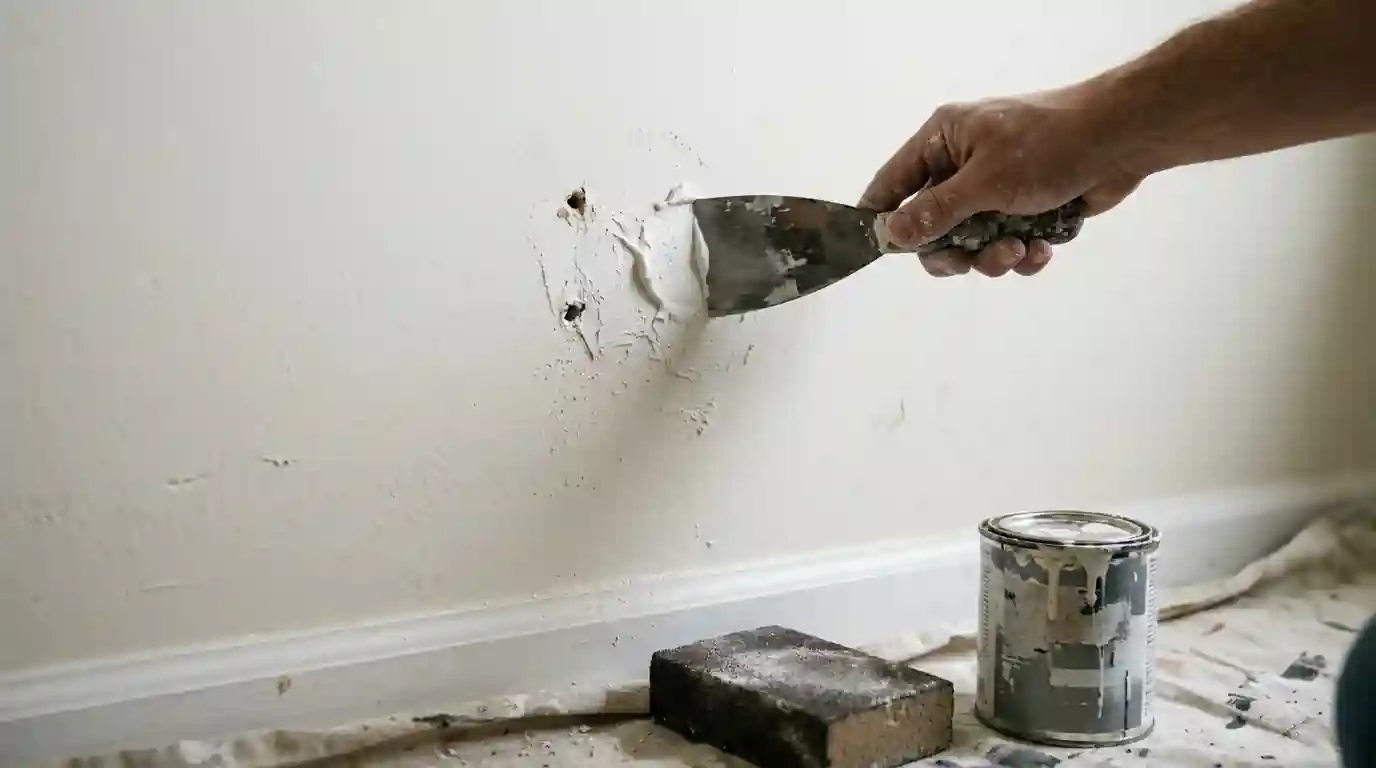
Each building is pressure washed and allowed to dry, rotted wood is replaced, gaps are caulked with elastomeric sealant, and bare spots are primed before finish paint.
- 4
Stairs and metal treatment
Steel stairs and railings are scraped, sanded and spot primed with rust-inhibitive primer, then finished in stages so residents always have a safe way in and out.
- 5
Body, trim and doors
We apply two finish coats to siding and trim, then paint entry doors and frames in enamel, finishing elevations in the order that keeps sun off fresh paint.
- 6
Phase walk and punch list
Your maintenance supervisor walks each finished building with our crew lead. We complete the punch list before moving equipment to the next phase. That way nothing gets left behind.
Fort Worth conditions that shape apartment & multifamily painting
Apartment communities across Fort Worth, from older complexes along Loop 820 and Hulen Street to newer mid-rise projects near the Alliance corridor and the far south side, all face the same weather pressures. Long summers chalk and fade the south and west faces, so we often recommend slightly lighter colors for body paint and a darker trim that hides dirt. Spring hail cracks siding and chips stair paint, and freeze events like the February 2021 storm can split caulk joints and expose water damage. Expansive clay soil shifts slab corners and opens gaps where siding meets brick. We schedule high work for cooler mornings in July and August, keep fresh coats out of direct afternoon sun, and stop painting when wind speeds make overspray a risk to parked cars.
Where we offer apartment & multifamily painting around Fort Worth
Across Fort Worth (76102 and surrounding ZIP codes), including Fairmount, Ryan Place, Mistletoe Heights, Arlington Heights, Tanglewood, Westcliff and other neighborhoods, plus these nearby cities and counties:
- Arlington 76010
- Grand Prairie 75050
- North Richland Hills 76180
- Mansfield 76063
- Euless 76039
- Grapevine 76051
- Bedford 76021
- Keller 76248
- Burleson 76028
- Haltom City 76117
- Hurst 76053
- Southlake 76092
- Weatherford 76086
- Saginaw 76179
- Colleyville 76034
- Benbrook 76126
- Tarrant County 76102
- Denton County 76201
- Johnson County 76031
- Parker County 76086