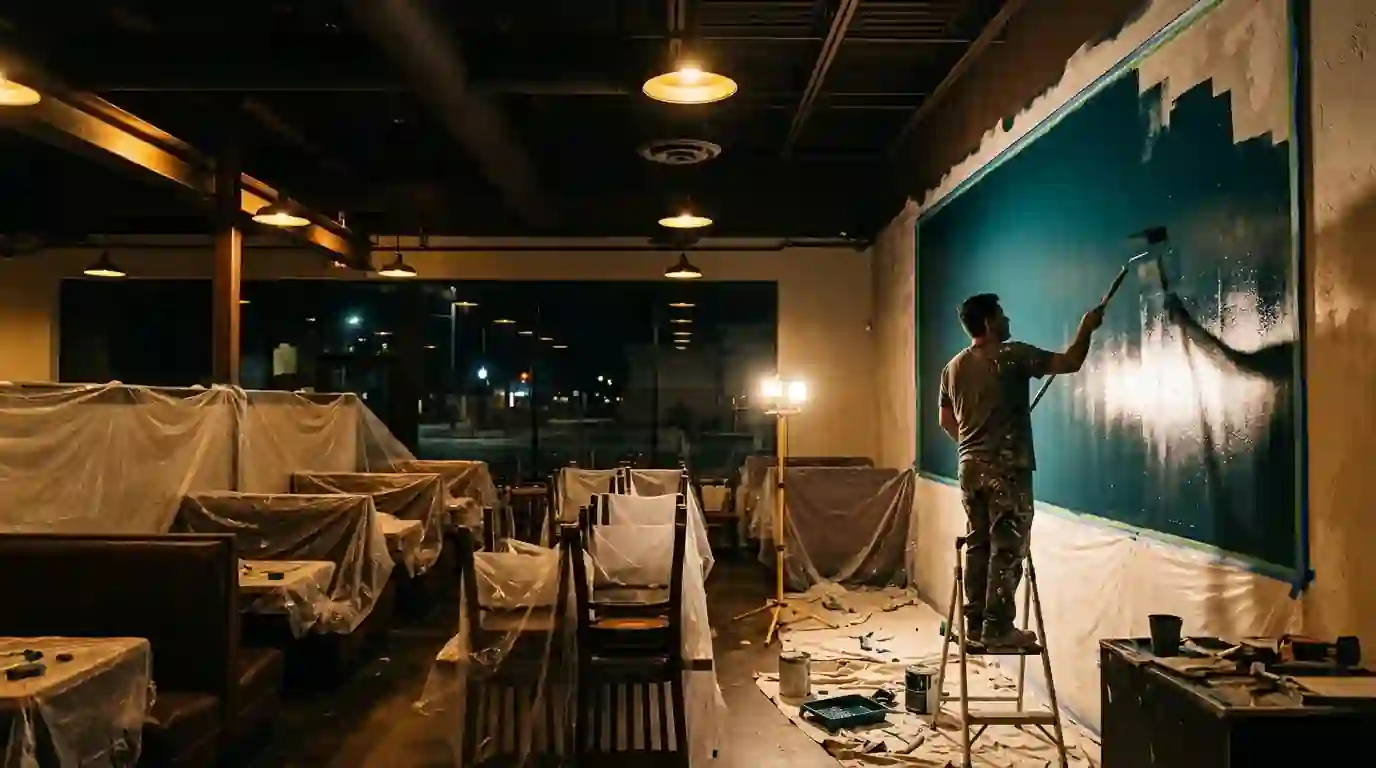
Painting between last call and the morning prep shift
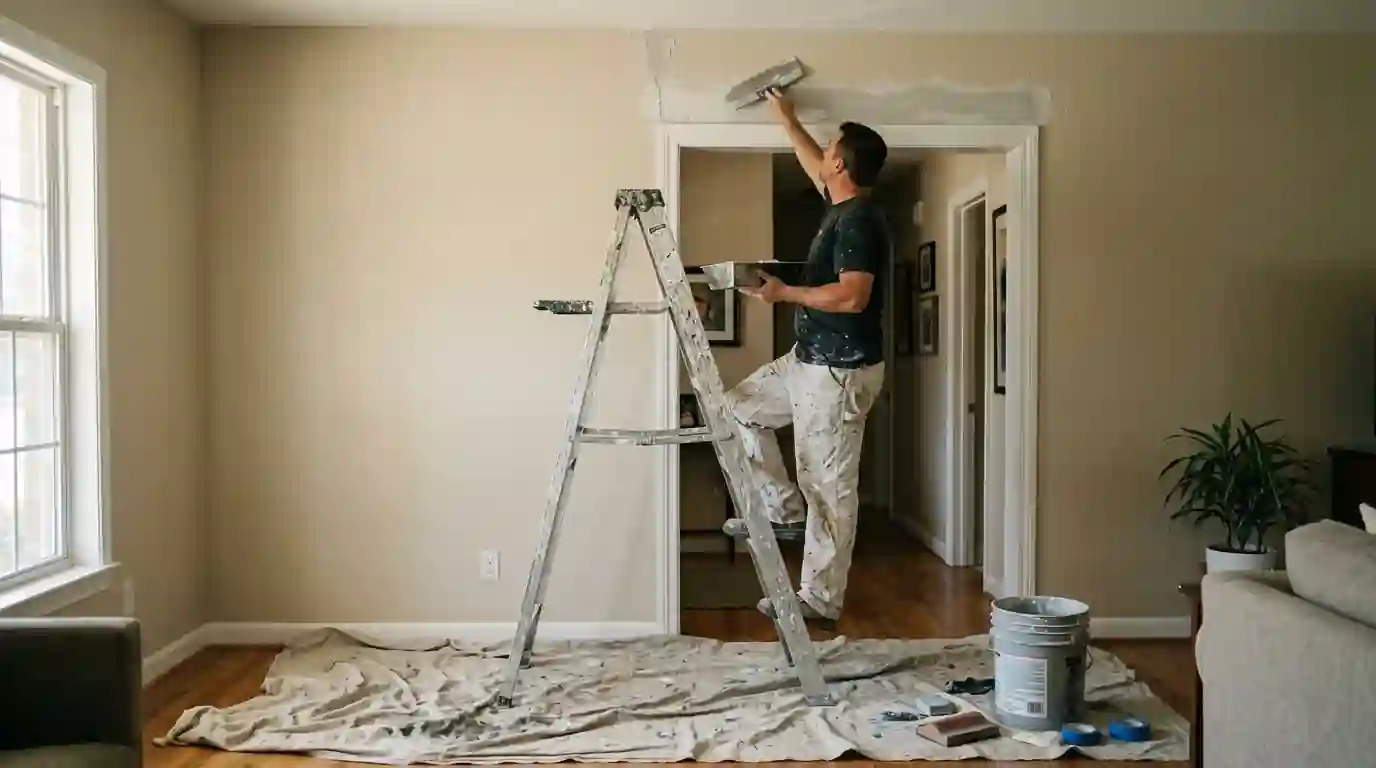
Restaurants close late and open early, so the real window can be as short as six hours. We plan around the moment your closing crew finishes cleaning and the time your prep cooks arrive. On a typical night, our crew masks booths and bar tops, paints one dining section, pulls protection, mops and wipes down, then leaves the room set for service. Bigger dining rooms get split across several nights so nothing is half done at open.
Retail stores usually give us a little more room, often from closing until a morning delivery. We coordinate with your store manager on stocking days, alarm schedules and which fixtures can be shifted. If your location is in a strip center or a mall, we also check landlord rules on after-hours access and noise. Every morning you get a short message from our crew lead with what's finished and what's next.
Grease, steam and mop water: choosing finishes that clean up
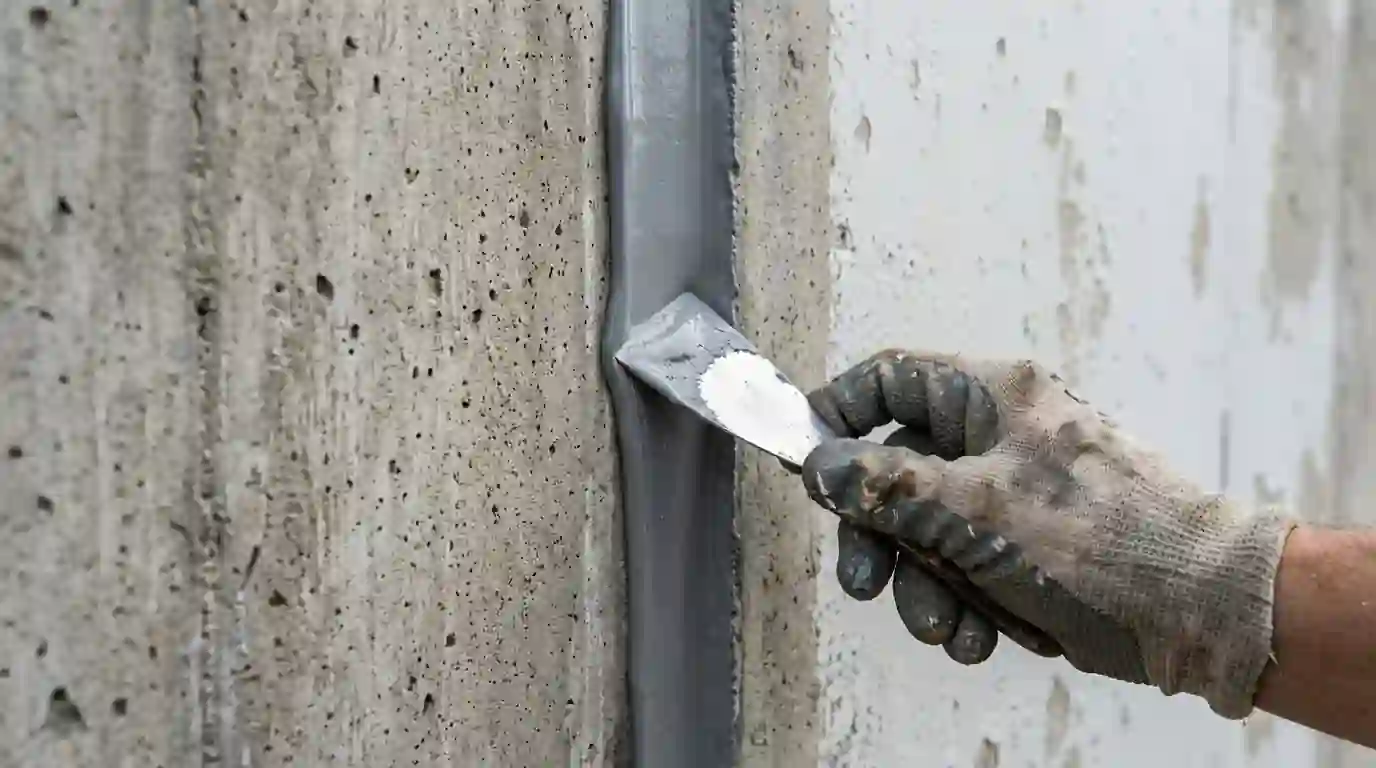
Walls near a service line or an open kitchen collect a thin grease film that new paint won't stick to. We wash those areas with a degreaser, rinse, let them dry, and then use a bonding primer where the old finish is glossy. Health inspectors look for cleanable surfaces, so we finish these zones in a scrubbable semi-gloss or an acrylic epoxy rather than a flat wall paint that holds stains.
Dining room walls usually look right in eggshell or satin, which hides minor wall flaws but still wipes clean. Wainscot, chair rails and the bottom few feet of walls in high-traffic aisles get a harder enamel because carts, strollers and chairs hit them all day. Restrooms get mildew-resistant satin. Cooler doors and back-of-house metal get a direct-to-metal coating that tolerates frequent wiping without wearing through. Bar fronts and host stands get the same hard enamel.
- Dining rooms and sales floors: washable eggshell or satin
- Service lines and back of house: semi-gloss or acrylic epoxy
- Restrooms: mildew-resistant satin with stain-blocking primer
- Doors, frames and wainscot: waterborne alkyd enamel
What retail & restaurant painting typically costs in Fort Worth
$2,350 to $7,800
for a typical 1,500 to 3,000 sq ft shop or single-unit restaurant interior repaint. Your price comes from a written scope after we see the job.
What moves the number
- Overnight shifts between close and open
- Degreasing near kitchens and service lines
- Open ceilings, ductwork and exposed deck
- Fixtures, booths and shelving to mask or move
- Enamel on doors, frames and wainscot
- Storefront and facade work with lift access
Storefronts and facades that pull people off the street
From the parking lot, customers judge your business in a few seconds. Faded storefront frames, rusted canopy fascia and chalky stucco or EIFS around the entry make even a busy place look tired. We repaint aluminum storefront frames with a bonding primer and a direct-to-metal finish, refresh painted stucco with a breathable acrylic, and recoat steel canopies after removing rust and loose paint by hand. Hollow metal back doors facing the alley get the same rust treatment.
Facade work in a shopping center has its own rules. Many landlords set the exterior color scheme, so we confirm the approved colors and sheens with property management before ordering paint. Lift work happens before opening or after close to keep the sidewalk clear. Your sign stays in place; we mask around it carefully and leave sign removal or electrical work to your sign company if anything needs to come down.
Open ceilings, exposed ductwork and tall walls
Lots of newer restaurants and boutiques in Fort Worth use open ceilings with exposed deck, joists and ductwork painted a single dark color. Repainting that look requires spray equipment, lifts and heavy masking of everything below. We usually do ceilings first, with full plastic coverage of booths, kitchen equipment and merchandise, then move to walls once the overspray risk is gone. Hanging lights and speakers are bagged in place rather than taken down.
Exposed ductwork that's gotten dusty or greasy needs cleaning before any coating will bond, and galvanized duct often needs an etching or bonding primer. We choose a dryfall coating for most open ceilings because overspray dries to a dust before it reaches the floor, which makes cleanup far easier. Tall feature walls get scaffolding or a lift so the finish stays even from floor to ceiling. Deep charcoal and black are the usual picks.
Rebrands, remodels and opening deadlines
When a new concept takes over a space or a franchise rolls out a new color standard, painting is usually one of the last trades before opening day. We'll work from your brand book or the franchisor's specification sheet, match the exact color codes, and line up with the general contractor so walls are painted after the last electrical and plumbing trim but before fixtures and signs are installed. We can also paint sample swatches for franchise sign-off.
Opening dates rarely move, so we build a buffer for touch-ups after millwork, booth and equipment installers leave scuffs behind. If the space is a second-generation restaurant, we also seal smoke or grease-stained areas with a stain-blocking primer so the previous tenant's history doesn't bleed into your new colors. You'll get a written list of every product and color used for your future maintenance. That list saves time on the next refresh.
Signs it is time for retail & restaurant painting
- Walls behind the service line feel tacky or hold a brown grease film
- Scuffs and dents line the bottom of walls along checkout aisles
- Storefront frames look chalky, faded or show bare aluminum
- Restroom paint is peeling near sinks or showing mildew spots
- A brand refresh or new franchise standard calls for different colors
- Health inspection notes mention surfaces that are hard to clean
How we handle retail & restaurant painting, step by step
- 1
Walk the space after close
We visit when you're closed to see real conditions, measure walls and ceilings, check grease and stain areas, and learn exactly how many hours we have between close and the opening shift.
- 2
Night-by-night schedule
We split the work into nightly sections so each morning the space is fully usable. You approve the order, such as dining room first, restrooms second, storefront last.
- 3
Mask, degrease and repair
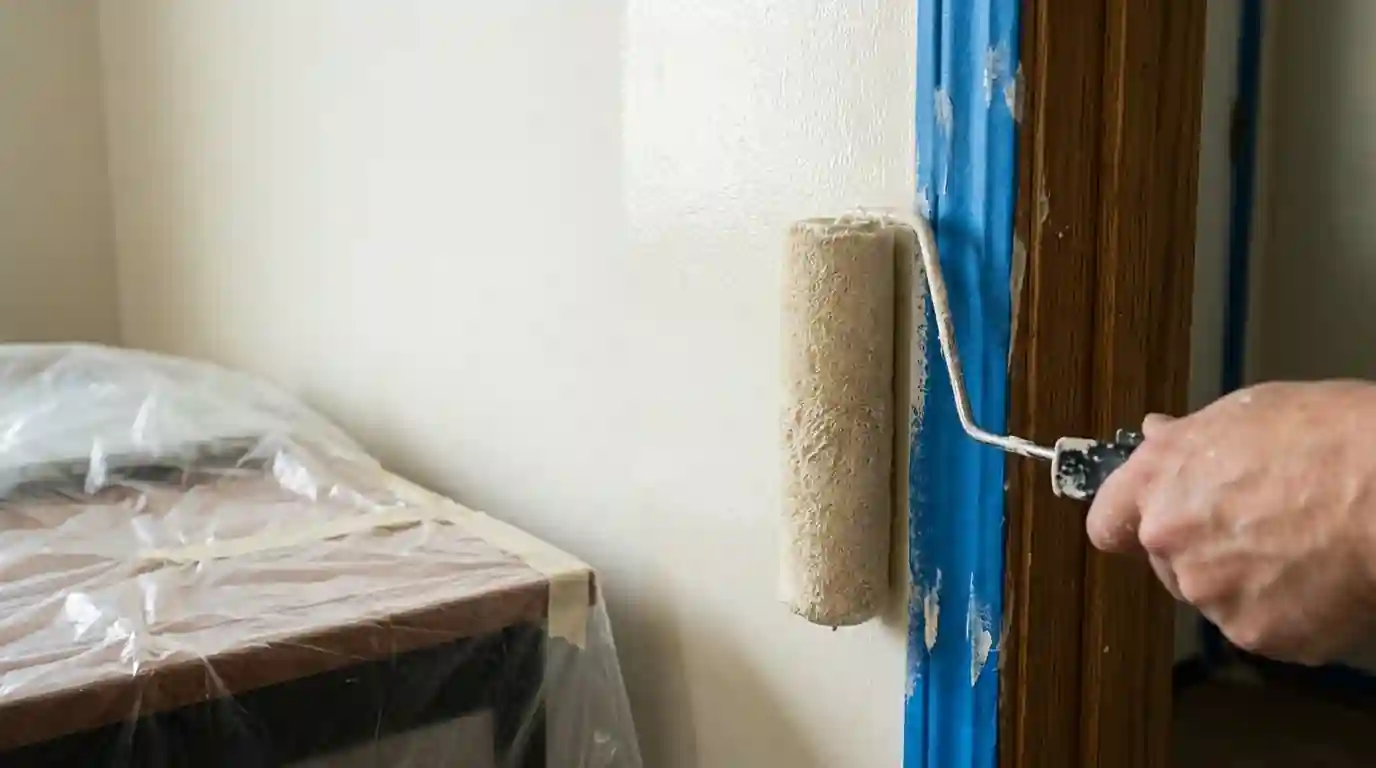
Booths, shelving and equipment get covered. Grease areas are washed and rinsed, holes and gouges are filled and sanded, and glossy surfaces receive a bonding primer.
- 4
Finish coats by zone
We apply two finish coats in the sheen chosen for each zone, using fast-drying, low-odor products so the room can be uncovered and cleaned before opening.
- 5
Clean and reset for service
Protection comes off, floors are mopped, tables and fixtures are wiped and put back, and fans run until your first employees arrive so the air is fresh.
- 6
Final check with the manager
Your manager walks the finished space with our crew lead, we touch up anything they spot, and we leave labeled leftover paint for future repairs.
Fort Worth conditions that shape retail & restaurant painting
Fort Worth's retail and restaurant scene ranges from tight storefronts on Magnolia Avenue and in the Near Southside to big-box strips along I-20, Loop 820 and Chisholm Trail Parkway. Each brings different problems. West-facing storefronts in strip centers fade quickly under long summer afternoons, so we steer owners toward colors and finishes that resist UV and chalking. Spring hail dents and chips metal canopies and awnings, which then rust if left bare. Inside, hot kitchens and heavy air conditioning create big temperature swings near doors and pass-throughs, and paint applied too thin there tends to crack. We plan exterior lift work for cooler mornings and keep interior coats at full thickness so the finish lasts through busy seasons like the Stock Show crowds each winter.
Where we offer retail & restaurant painting around Fort Worth
Across Fort Worth (76102 and surrounding ZIP codes), including Fairmount, Ryan Place, Mistletoe Heights, Arlington Heights, Tanglewood, Westcliff and other neighborhoods, plus these nearby cities and counties:
- Arlington 76010
- Grand Prairie 75050
- North Richland Hills 76180
- Mansfield 76063
- Euless 76039
- Grapevine 76051
- Bedford 76021
- Keller 76248
- Burleson 76028
- Haltom City 76117
- Hurst 76053
- Southlake 76092
- Weatherford 76086
- Saginaw 76179
- Colleyville 76034
- Benbrook 76126
- Tarrant County 76102
- Denton County 76201
- Johnson County 76031
- Parker County 76086