Interior checklist: what to move and what to leave
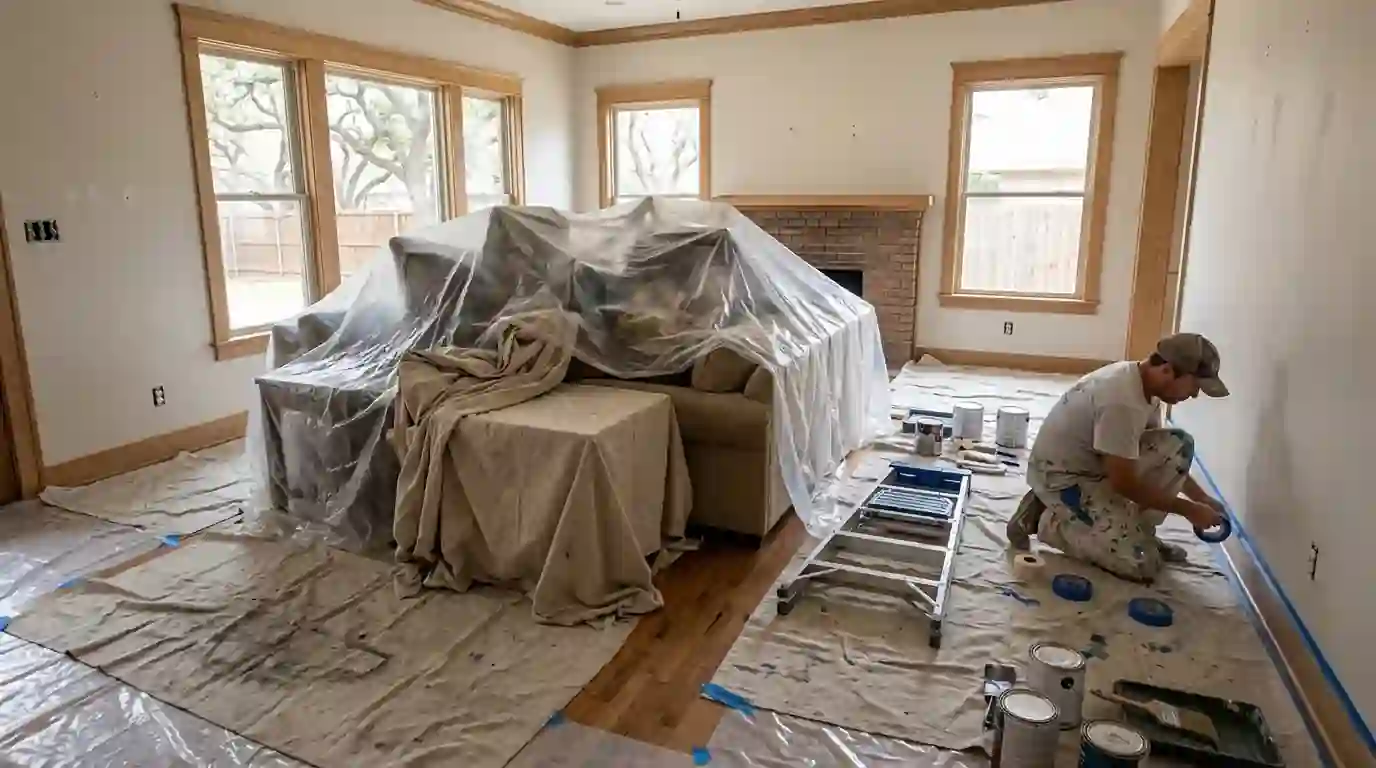
The goal is to give the crew clear access to every wall without you having to haul heavy furniture. Start with small, personal and fragile items, which painters prefer not to handle. Pack or move lamps, decor, photos, books, electronics and anything breakable to a room that isn't being painted. Take down art, mirrors, curtains and blinds if you can, or tell us and we'll do it carefully. Leave large furniture in place; we usually slide it to the center of the room, cover it with plastic and drop cloths, and move it back afterward. Pianos, tall china cabinets and fully loaded bookcases are best discussed ahead of time. If closets are part of the job, empty them completely, including shelves and the floor.
- Pack decor, photos, lamps and electronics
- Take down art, mirrors, curtains and blinds
- Empty closets and built-ins being painted
- Leave heavy furniture for the crew to move and cover
Exterior checklist: yard, sprinklers and access
Outside, the crew needs room to set ladders and protect landscaping. Move patio furniture, grills, planters, garden decor and toys at least 3 or 4 feet away from the house. Trim shrubs and tree branches that touch the walls, since painters can't reach behind dense foliage without damaging it. Turn off sprinkler systems the evening before work starts and keep them off until the final coat has set for a day; morning spray on fresh paint causes streaking and poor adhesion. Open gates or leave a code, and secure dogs so they can't slip out while crews come and go. If you have exterior cameras, holiday light clips or hose reels on the walls, let us know which items can be removed and which should be masked around.
Pets, kids and people working from home
Painting days change the household routine for a few days, and planning ahead keeps everyone safe and comfortable. Wet paint, open doors, ladders and drop cloths aren't a good mix with curious dogs, cats or toddlers. Many homeowners keep pets in a closed room, crate them, or arrange daycare during work hours. Birds and reptiles are especially sensitive to fumes, so move them to a well-ventilated area far from the work. Modern low-VOC and zero-VOC paints have much less odor than older products, but some people still prefer to step out on the first day. If you work from home, tell us which room you need quiet in, and we'll schedule that space last or around your calls. Kids' rooms can usually be used the same evening once the paint is dry to touch.
HVAC, thermostats and ventilation during painting
Your heating and air system plays a quiet role in paint drying. For interiors, keep the thermostat between about 65F and 78F; most interior paints dry well within that range, and very cold rooms slow curing. In Fort Worth summers, running the AC helps control humidity, which speeds drying. Some crews ask to turn off the HVAC during sanding or spraying to keep dust and overspray out of the ducts, then turn it back on once that step ends. We usually cover return vents with plastic while sanding and remove it after. If you have a whole-house fan or attic fan, avoid running it while walls are wet. For exterior jobs, close windows near the work area and consider covering outdoor condenser units if we'll be spraying nearby.
What the painting crew handles so you don't have to
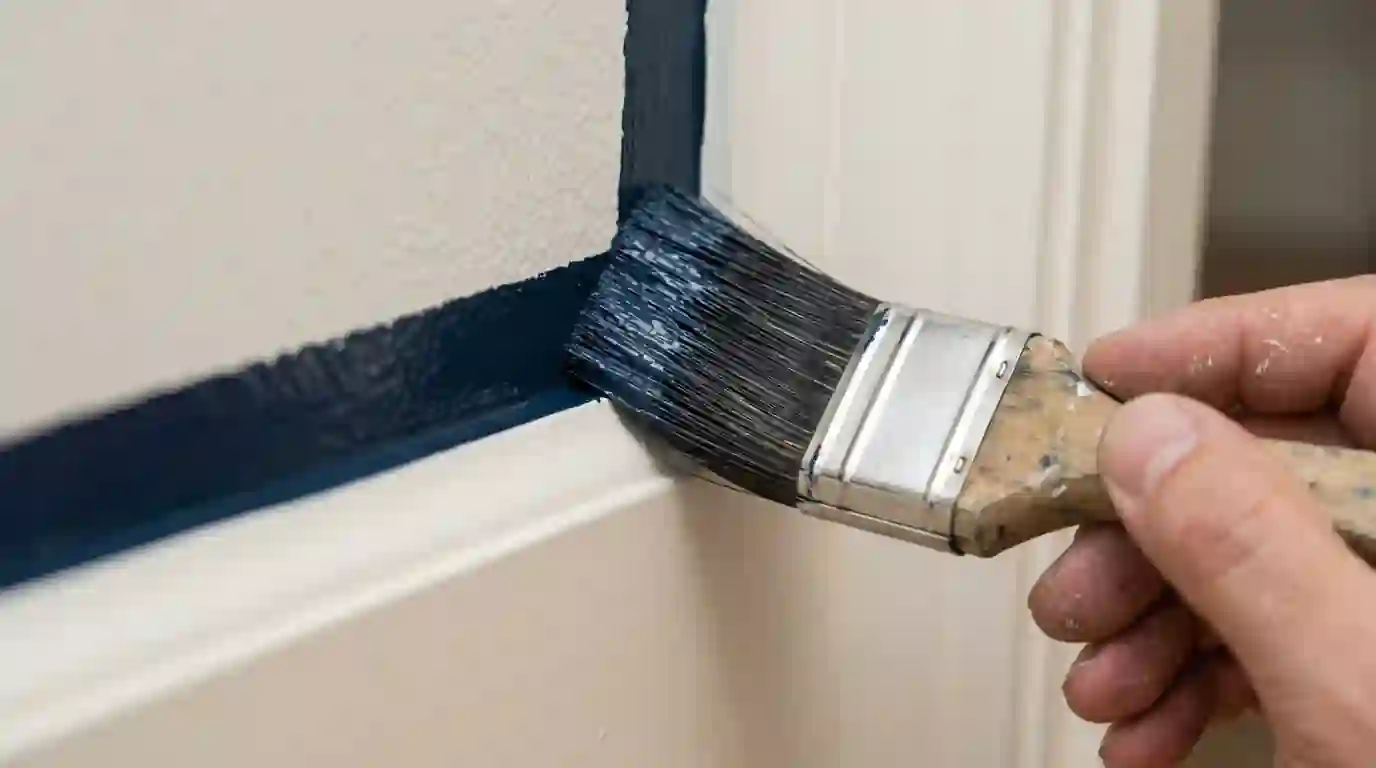
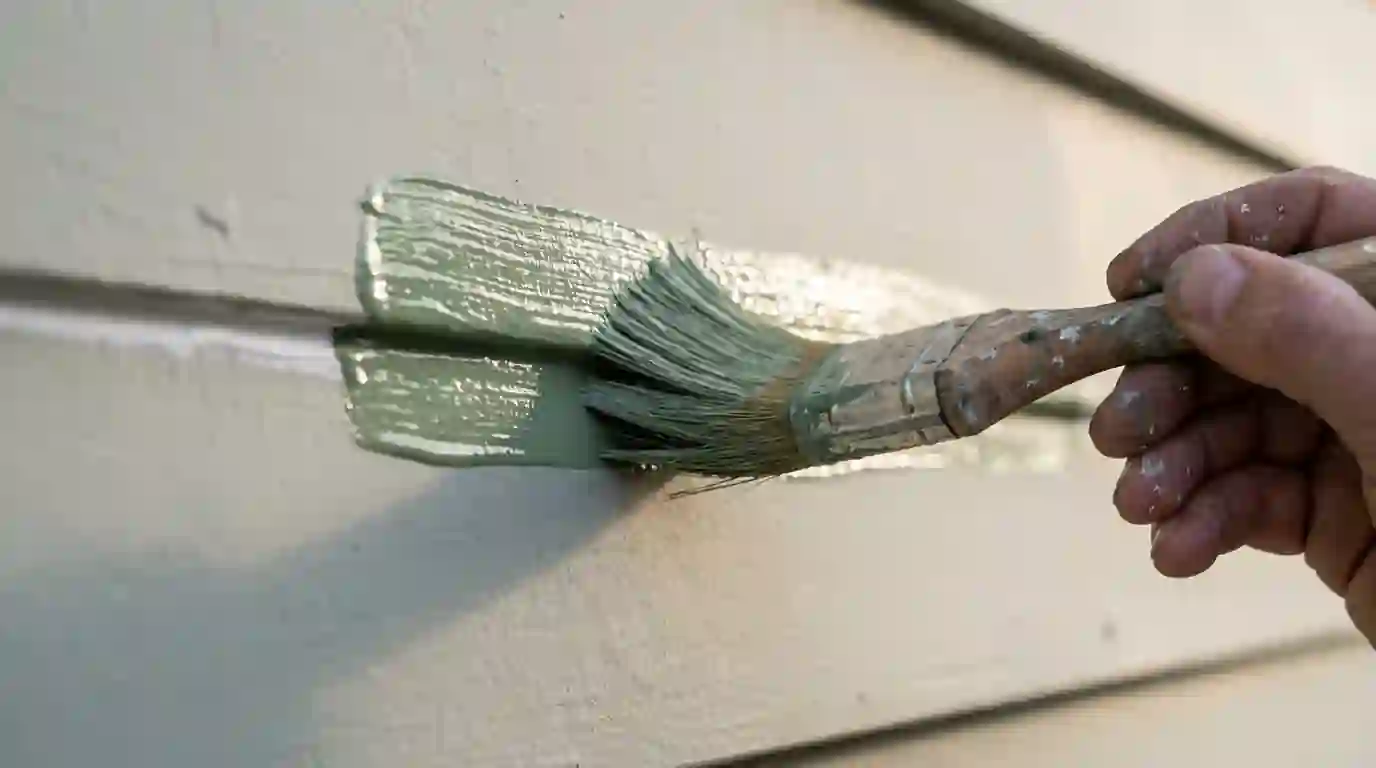
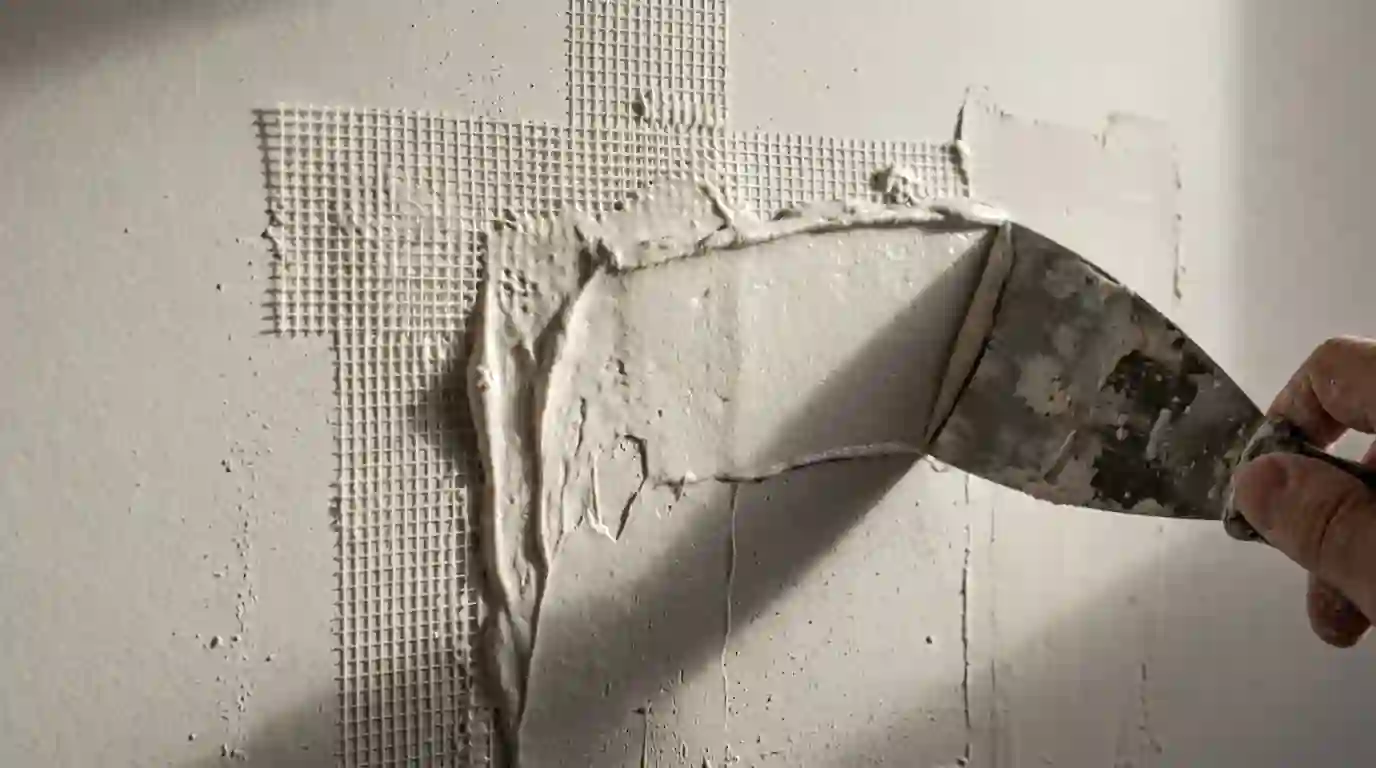
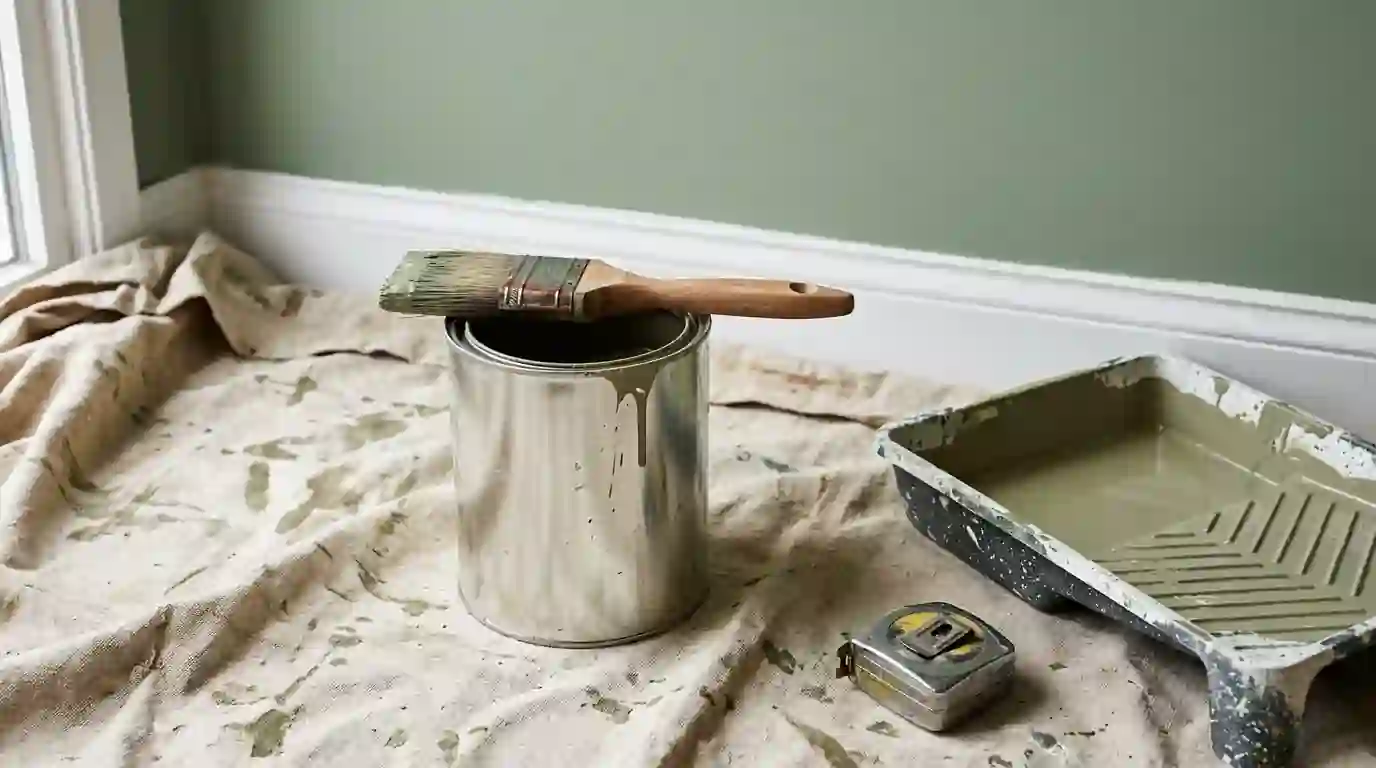
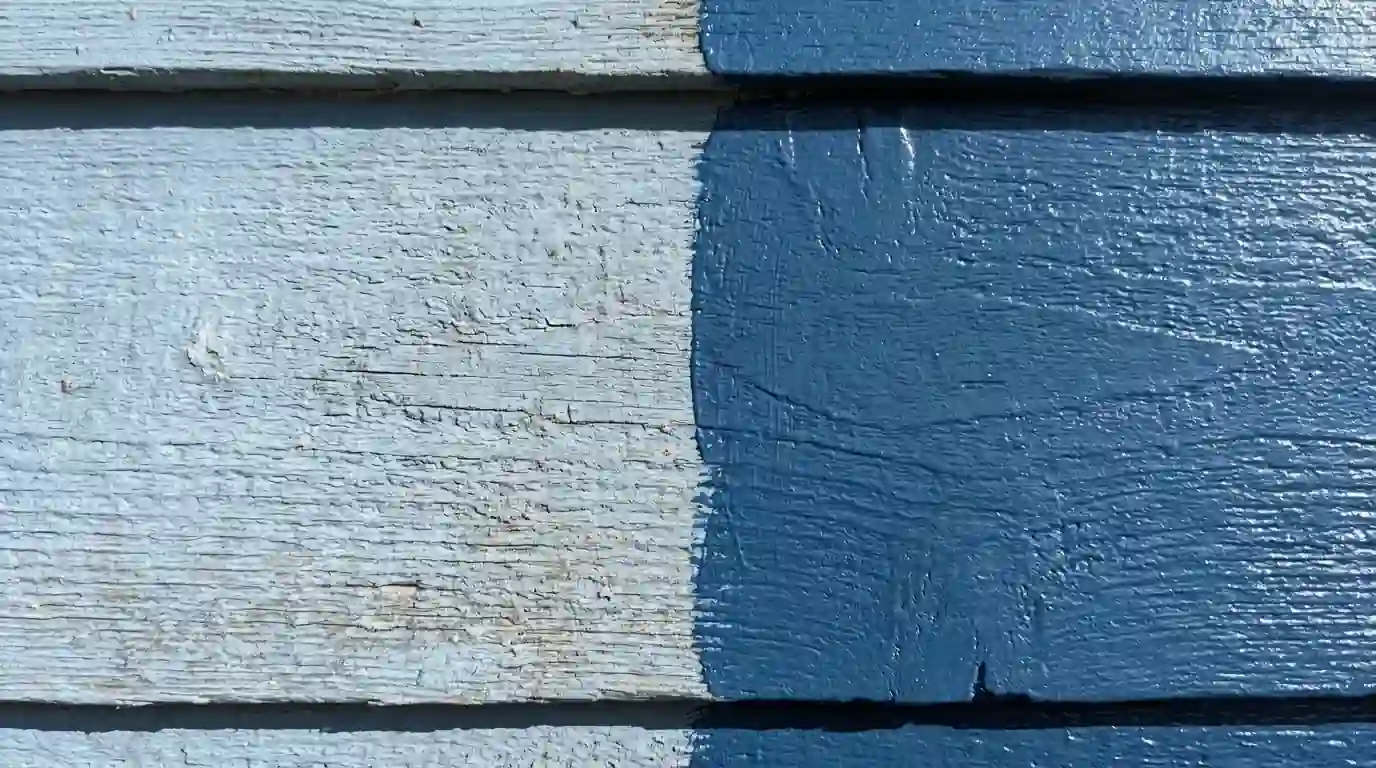
Homeowners sometimes over-prepare, worrying they need to patch and sand before the crew arrives. That's part of our job. On interiors, we cover floors with canvas drop cloths and plastic, mask trim and fixtures, remove switch plates and outlet covers, fill nail holes and minor cracks, sand repairs smooth, caulk gaps at trim and spot prime stains before finish coats. On exteriors, we pressure wash, scrape loose paint, sand rough edges, replace failed caulk, prime bare wood and protect plants, windows, roofs and driveways with drop cloths and plastic. At the end of each day, we tidy up, store tools neatly and make the house livable overnight. Your role is mainly clearing small items, securing pets and telling us about anything fragile or unusual.
Parking, power, water and bathroom access
A few logistics make the first morning go smoothly. Crews usually arrive with a truck or van and sometimes a trailer, so leave space in the driveway or in front of the house. In HOA neighborhoods or on narrow streets, let us know about parking rules. Painters typically need access to an exterior outlet for sanders and sprayers and an outdoor faucet for pressure washing and cleanup. If outlets are on a GFCI circuit that trips often, tell us where the reset is. Agree ahead of time on which bathroom the crew may use, or whether a portable option is needed for longer jobs. Lastly, share any alarm codes, gate codes or lockbox instructions so the crew isn't stuck waiting at the door if you've left for work.
Final walk-through and touch-up day
Before we pack up, walk the job with the crew lead in good light, ideally during the day. Look along walls at an angle, check edges where walls meet ceilings and trim, and open and close doors and windows to be sure nothing sticks. Point out any spots that need attention, and we'll touch them up before leaving. Then leave furniture placement and curtain hanging for a day or two if possible, giving fresh paint time to firm up. Don't wash new walls for about two weeks; most interior paints take 14 to 30 days to fully cure. Keep the labeled leftover paint in a climate-controlled spot, not a hot garage, so it's usable for future touch-ups. If you have questions about preparing your own home, call us and describe the project.