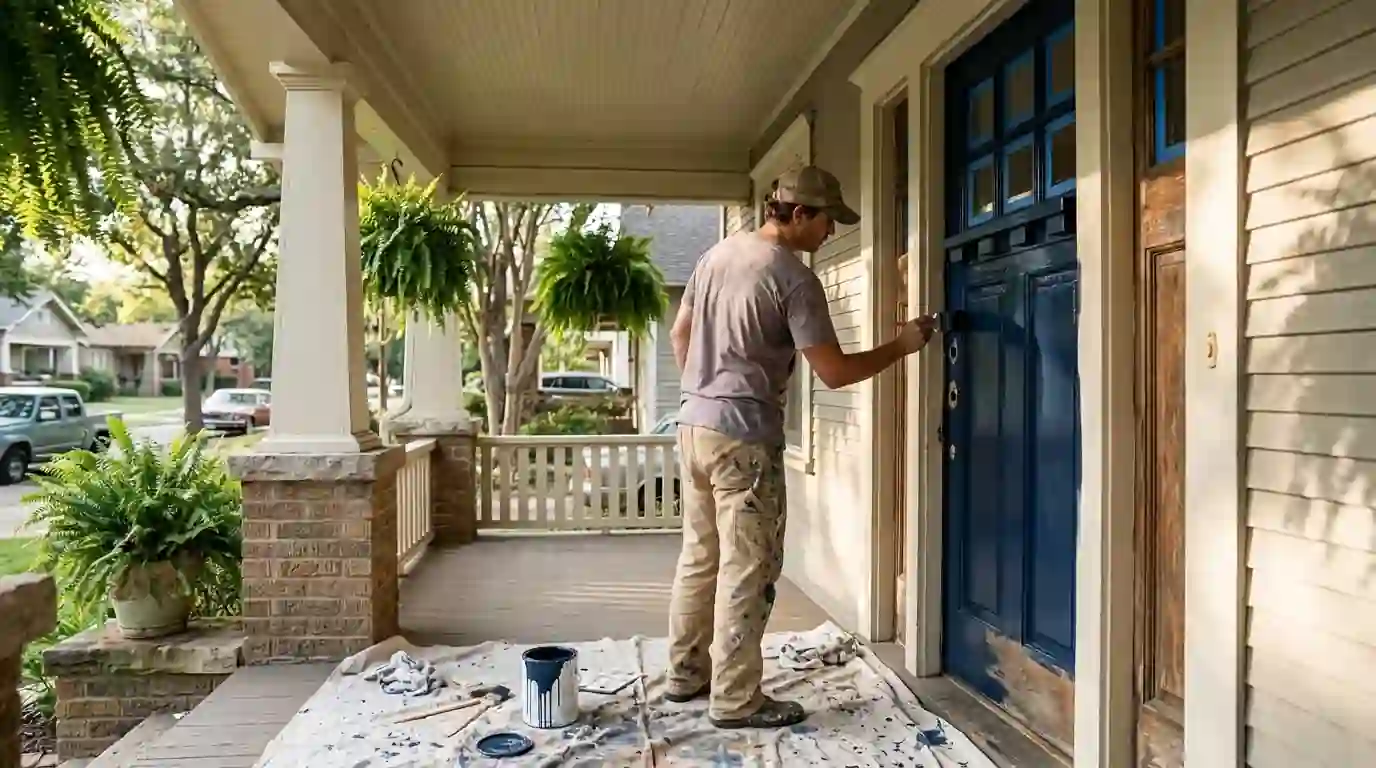
Why west-facing front doors fade and blister so fast
Many Fort Worth homes face west or south, and an unshaded front door on those elevations can get far hotter than the air on a summer afternoon. Dark colors absorb even more heat. Over a few summers that heat breaks down the paint binder, so reds turn pink, navy goes chalky and blacks go gray. On steel doors, heat can also cause blistering when paint was applied over a glossy factory primer without proper scuffing. Wood doors suffer more, since heat and moisture swings open joints in panels and cause cracks at the rails.
A storm door with clear glass can make it worse, trapping heat between glass and door. Some door makers even warn against dark finishes behind a full-glass storm door. If that's your setup, we'll talk through color choices and suggest venting or a lighter tone where needed. We'll also look at the threshold and bottom rail. Water that pools on a porch slab wicks up into the bottom edge of a wood door, so that edge gets sealed with primer and paint even though nobody sees it once the door is hung.
Prep that changes with the door material
Steel doors are scuffed with a fine abrasive pad, dents are filled with a two-part body filler and sanded flush, and any rust spots are cleaned to bright metal and primed with a rust-inhibiting primer. Fiberglass doors get a gentle scuff and a cleaning with a degreaser, since mold-release residue from the factory can still cause poor adhesion years later. Wood doors are sanded with 120 and then 180 or 220-grit, cracks in panels are filled, and bare wood is sealed with an exterior primer.
We remove the lockset, deadbolt, kick plate and knocker whenever possible rather than taping around them. Taped hardware almost always leaves a ragged paint line. Hinges are masked carefully or removed with the door. Weatherstripping is protected so it keeps sealing properly once the paint is dry. If the door has decorative glass, we tape the glass with fine-line tape and scrape any stray paint off with a fresh razor blade once dry. Old caulk around glass inserts gets replaced when it has cracked or yellowed.
- Steel: scuff, fill dents, spot-prime any rust
- Fiberglass: degrease and scuff, use a bonding primer
- Wood: sand, fill panel cracks, seal bare grain
- Hardware removed, not taped, wherever practical
What front door painting typically costs in Fort Worth
$285 to $740
typical range for one exterior entry door and its frame, not a quote. Your price comes from a written scope after we see the job.
What moves the number
- Door material: wood, steel or fiberglass
- Raised panels, glass lites or sidelights to cut in
- Peeling, sun-blistered or stained finish to strip
- Dark-to-light color change needing extra coats
- Brush-and-roll on site versus removed and sprayed
- Storm door, jamb and brick molding included
Getting a smooth, furniture-like finish on an entry door
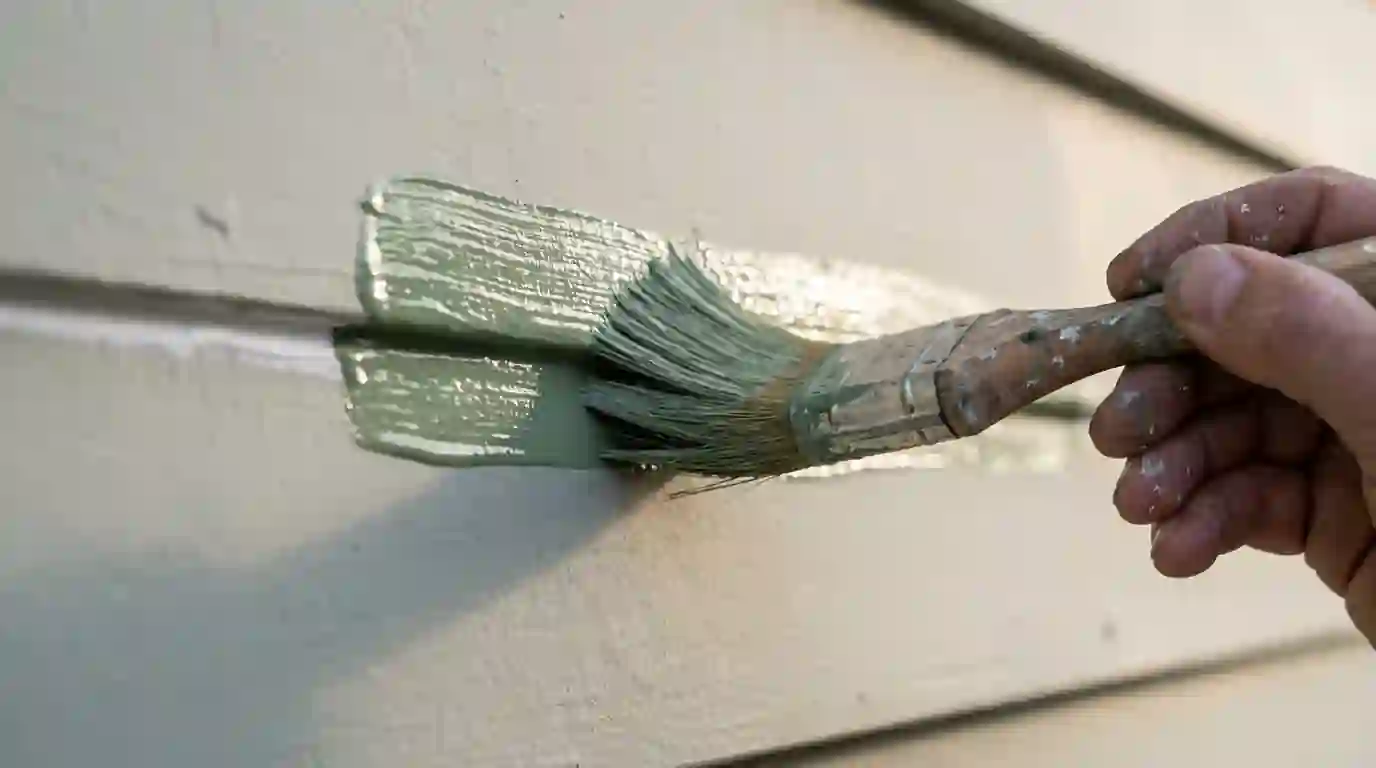
For most doors we use a premium exterior enamel, often a waterborne alkyd or urethane-modified acrylic, which levels out brush marks better than standard house paint and dries harder. On panel doors we follow a set order: panels first, then the center stile, then rails, then the outer stiles, which keeps lap marks out of the visible areas. Flat surfaces are laid off with a fine foam or microfiber roller and tipped with a quality brush.
When you want a near-spray finish, we can remove the door, set it on stands under cover and spray it with an HVLP sprayer, then rehang it the same day or the next. While it's off, we install a temporary panel so the house stays secure. Spraying gives the smoothest result on flat steel and fiberglass slabs, and it's well worth considering for glossy, saturated colors. A sprayed door usually gets a light scuff with 320-grit between coats for a glass-smooth feel.
Choosing a front door color that suits your brick
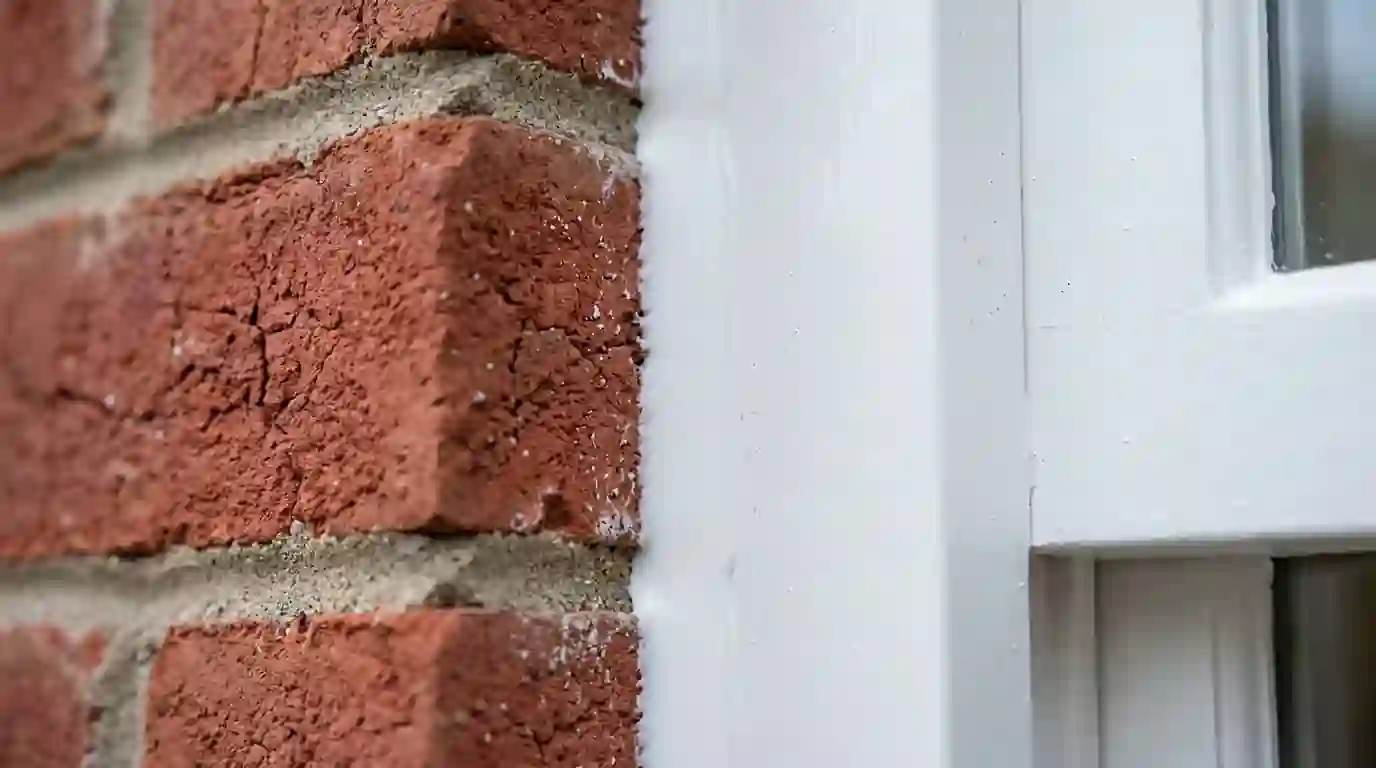
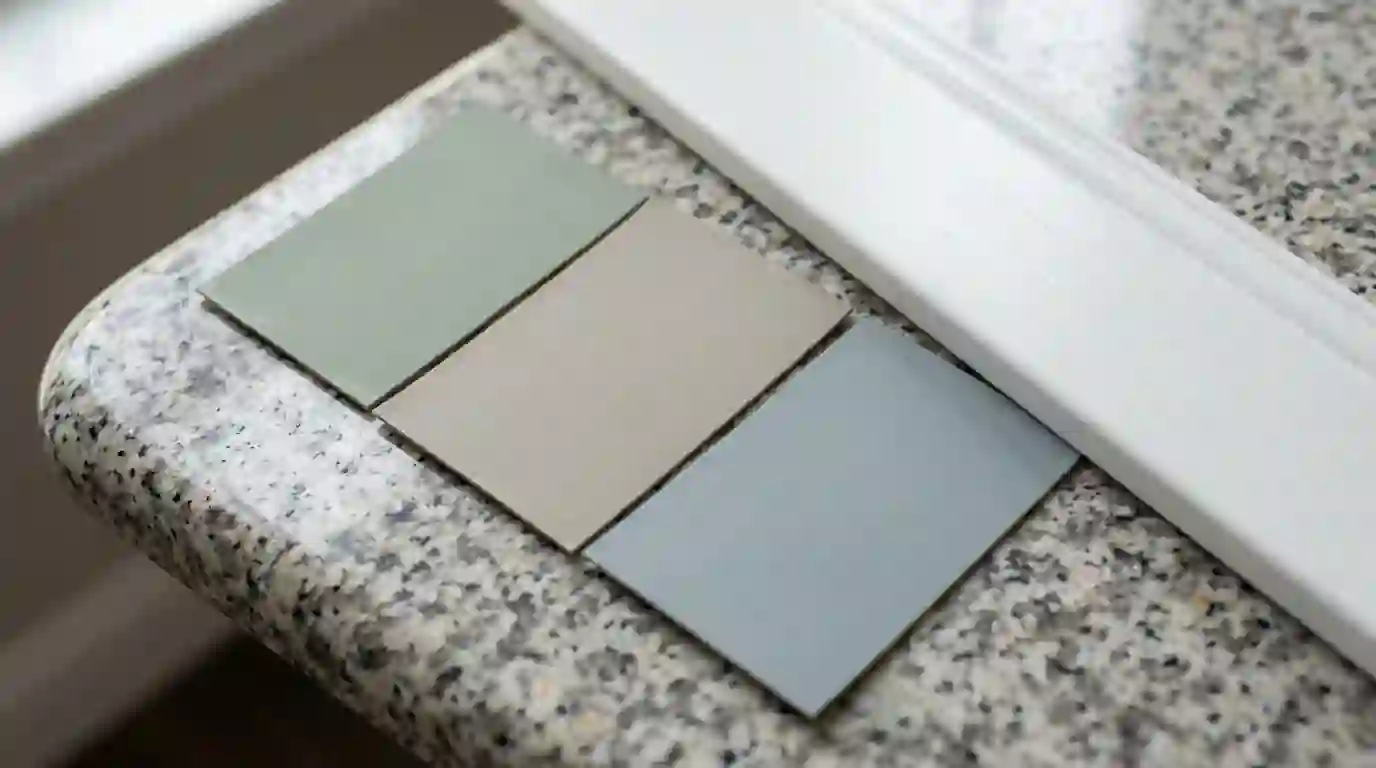
A front door is the easiest place to add bold color to a brick or stone house. Deep navy, black, forest green and oxblood red are popular here, and so are softer sage, muted teal and warm wood-tone stains on fiberglass. We bring painted sample boards and hold them up against your brick, trim and roof, since the same blue can look very different next to buff brick than next to red brick. Sheen also changes the look: semi-gloss and gloss give a crisp, polished feel, while satin feels a little softer.
If your neighborhood has an HOA, many committees review front door colors, and some limit them to a set palette. We keep the exact color name and code on record so you can submit it easily and touch it up later. Bold colors also wear differently. Reds and yellows often need a gray-tinted primer and three coats to cover evenly, which we build into the price when you choose them.
Signs it is time for front door painting
- The door color has faded or turned chalky on the outside face
- Paint is blistering or peeling on a sunny steel entry door
- Wood panels show fine cracks or gray bare wood at the joints
- Hardware has paint smeared around it from a past paint job
- Your door no longer matches new trim or shutter colors
- Dents or scratches from deliveries and pets mar the lower panels
How we handle front door painting, step by step
- 1
Assess and choose color
We check the door material, condition and sun exposure, review color and sheen options with large samples, and decide whether to paint in place or remove the door for spraying.
- 2
Remove hardware and protect
Locksets, knockers and kick plates come off, hinges and weatherstripping are masked, and floors, porch and nearby brick are covered before any sanding or cleaning begins.
- 3
Clean, sand and repair
The door is degreased, scuffed or sanded to the right grit for its material, dents and cracks are filled and sanded smooth, and dust is removed with tack cloths.
- 4
Prime
We apply a primer suited to the door, such as a bonding primer for fiberglass, a rust-inhibiting primer for bare steel or an exterior wood primer, then sand lightly once dry.
- 5
Apply two finish coats
Two coats of exterior enamel are brushed and rolled in the proper panel sequence or sprayed, with drying time between coats so the finish levels and hardens correctly.
- 6
Reinstall and check
Hardware is reinstalled once the paint is dry enough, the door is checked for smooth closing without sticking, and we show you how long to wait before heavy use.
Fort Worth conditions that shape front door painting
In Fort Worth, front doors on west and south-facing houses take the full force of afternoon sun, and summer surface temperatures can push dark paint past its limits. That's the main reason doors here fade and blister faster than other trim. Spring hail can also chip the paint on unprotected steel doors, especially on porches without deep overhangs. Our expansive clay soils sometimes shift door frames slightly out of square, making doors rub and wear the paint along the edges. When we see that, we'll point it out, since a door that sticks will keep scuffing even fresh paint. In older neighborhoods like Fairmount and Ryan Place, many original wood doors deserve careful sanding rather than replacement.
Where we offer front door painting around Fort Worth
Across Fort Worth (76102 and surrounding ZIP codes), including Fairmount, Ryan Place, Mistletoe Heights, Arlington Heights, Tanglewood, Westcliff and other neighborhoods, plus these nearby cities and counties:
- Arlington 76010
- Grand Prairie 75050
- North Richland Hills 76180
- Mansfield 76063
- Euless 76039
- Grapevine 76051
- Bedford 76021
- Keller 76248
- Burleson 76028
- Haltom City 76117
- Hurst 76053
- Southlake 76092
- Weatherford 76086
- Saginaw 76179
- Colleyville 76034
- Benbrook 76126
- Tarrant County 76102
- Denton County 76201
- Johnson County 76031
- Parker County 76086