What typical Fort Worth homes cost to paint, by size and scope
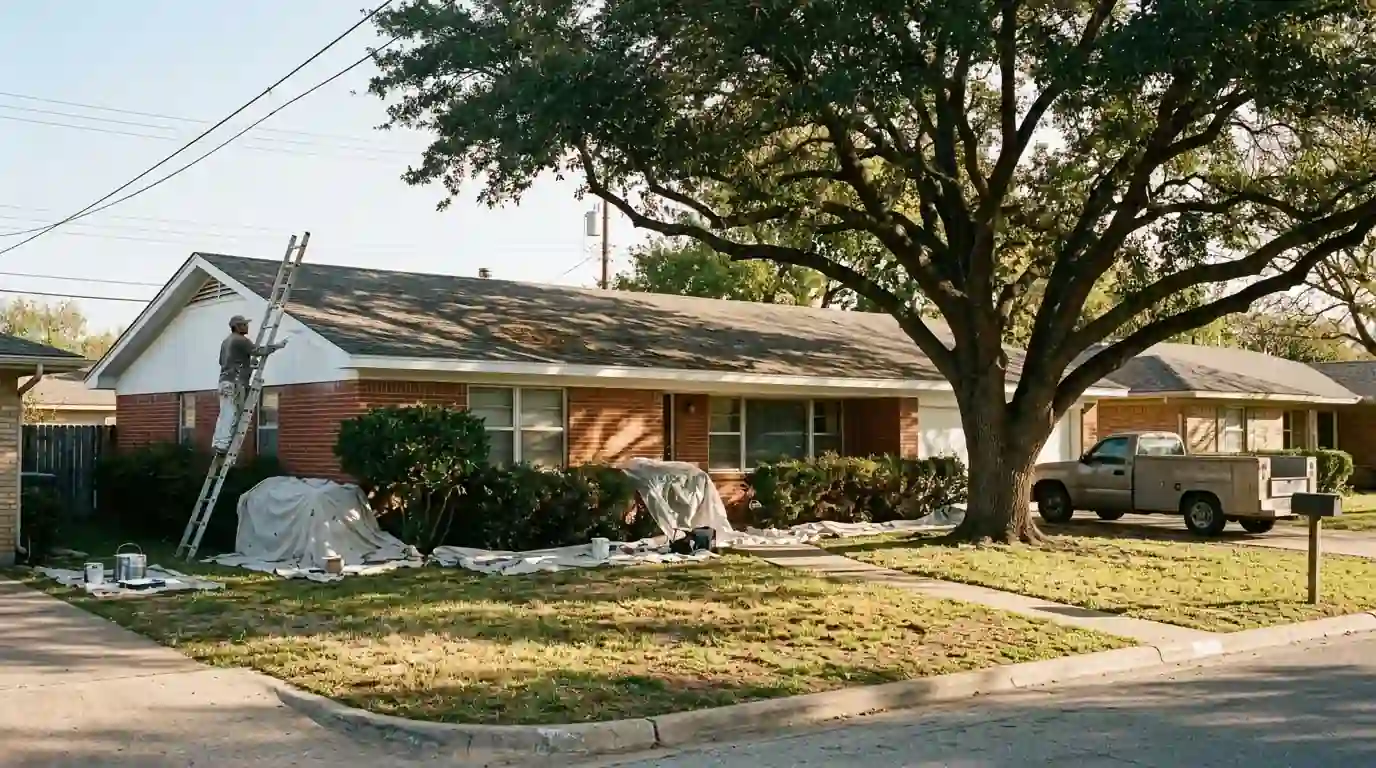
The biggest variable isn't square footage alone, it's how much of the house actually takes paint. A 1960s brick ranch in Wedgwood may only need fascia, soffits, window trim, a front door and a garage door, while a 1990s two-story in Summerfields can have siding on every gable and the whole back elevation. The ranges below assume a quality 100% acrylic exterior or a washable interior paint, normal prep and no major rot. They're typical Dallas-Fort Worth figures, not a quote, and your home can land outside them once we walk it.
- Single-story brick, trim and soffits only (1,600 to 2,200 sq ft): $2,850 to $5,400
- Single-story with mixed brick and siding: $4,350 to $7,800
- Two-story with full siding or fiber cement (2,400 to 3,200 sq ft): $6,700 to $13,900
- Interior walls only, 2,000 sq ft home: $4,150 to $8,350
- Full interior with walls, ceilings, trim and doors, 2,000 sq ft: $7,400 to $14,800
- Single room with walls and trim (12 by 14 ft): $485 to $1,150
Which exterior details push the price up or down
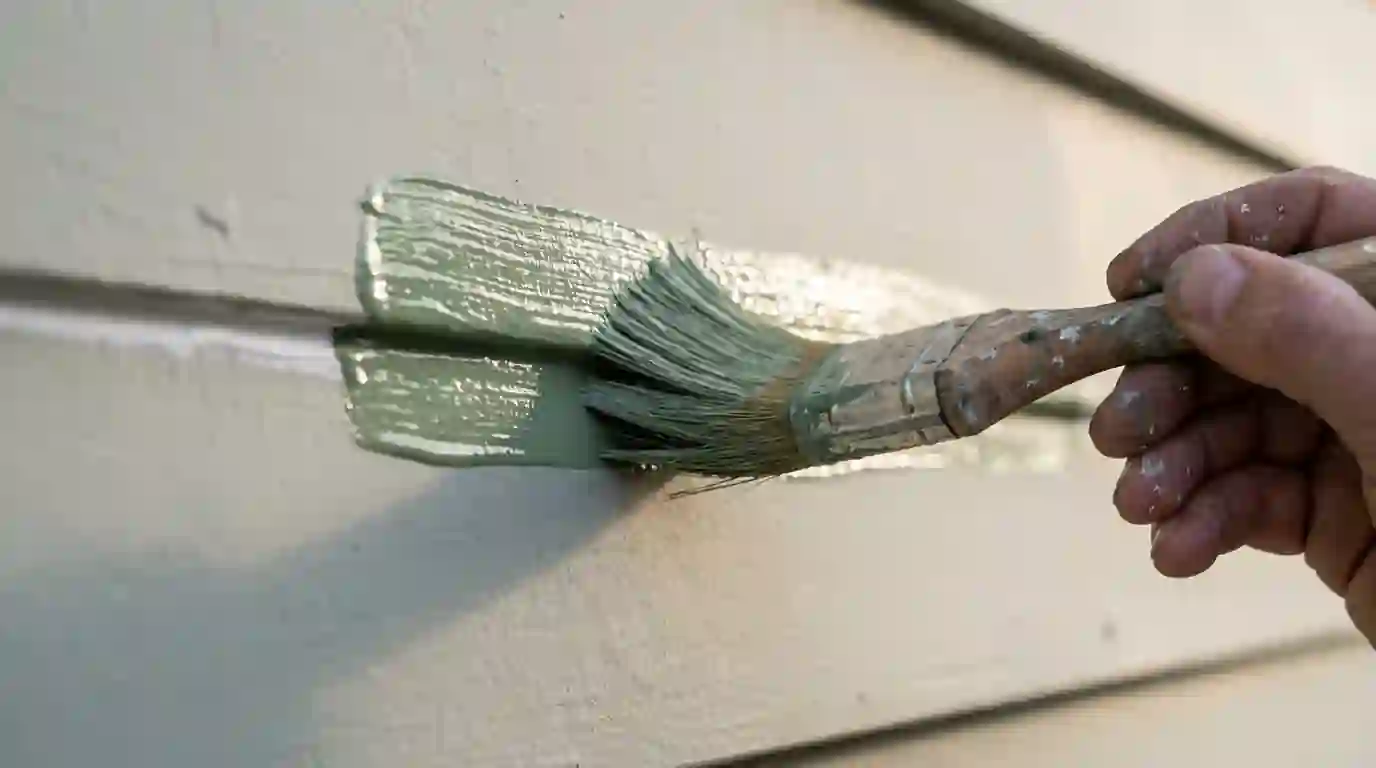
Exterior pricing is mostly labor, and labor follows access and surface condition. A second story means extension ladders or a lift, slower movement and more time masking roofs and windows. Lap siding with deep shadow lines takes longer to cut in than smooth fiber cement. Peeling paint has to be scraped and spot primed, and bare wood often needs an oil-based or bonding primer before the topcoats. Caulk work is another quiet multiplier: a house with 40 windows and failed joints at every corner can eat a full crew day before any paint opens. Color changes matter too. Going from a dark brown trim to a light cream usually needs a full extra coat, and some deep reds and blues need a tinted primer underneath. Detached garages, pergolas, patio covers and fences are priced separately because each adds setup, masking and cleanup time.
How interior pricing breaks down room by room
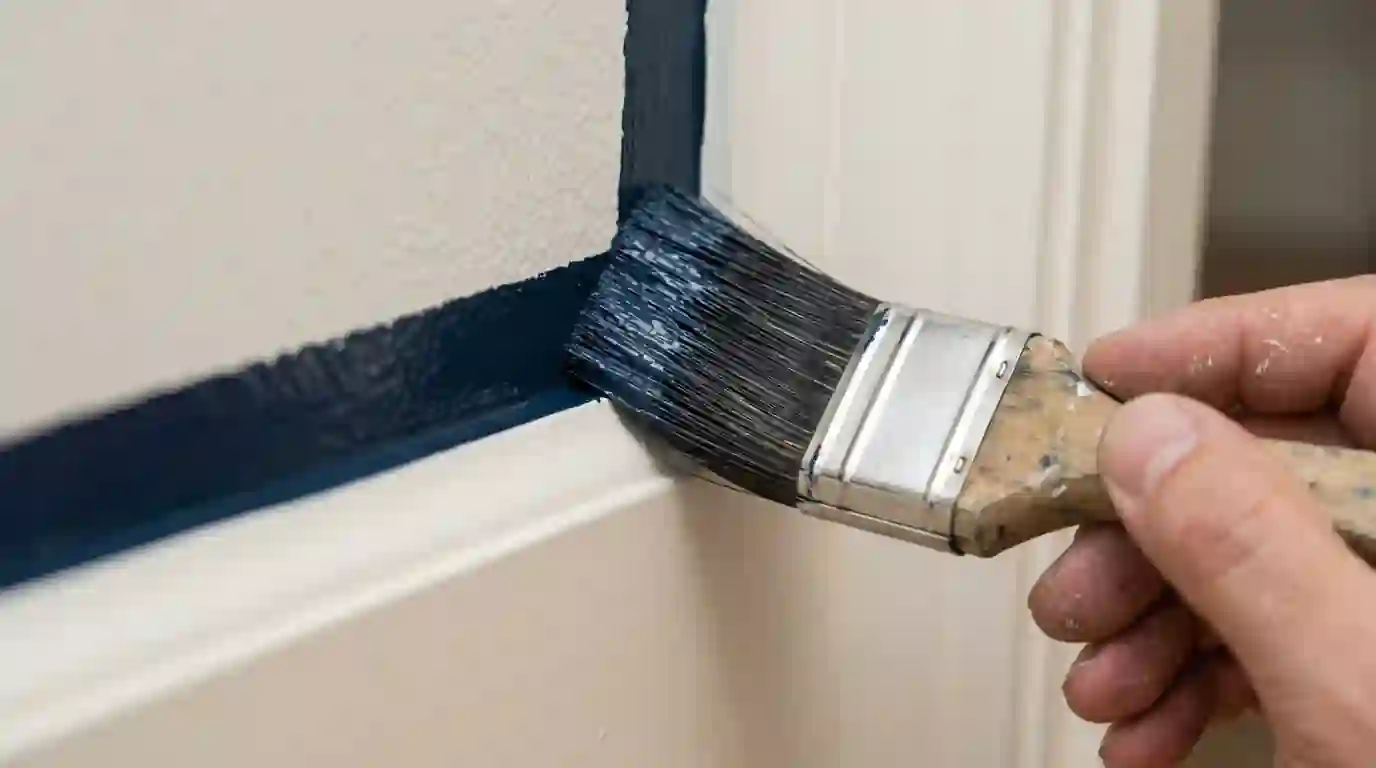
Inside, we price by the surfaces you choose rather than the house as one lump. Walls are the fastest part to roll. Ceilings slow things down because of drop cloths, overhead work and cutting in along every wall line, so adding them typically raises a room's price by 30 to 45 percent. Trim and doors are the most labor-heavy items per square foot: baseboards need sanding, caulking and two coats of a semi-gloss or satin enamel, and six-panel doors take careful brushing in every recess. Rooms with 10 ft or vaulted ceilings, stairwells and two-story entries need taller ladders or scaffold planks. Heavy furniture that stays in place, lots of wall hangings and patched nail holes also add hours. Painting several rooms in one visit is cheaper per room than spreading them out, since setup and cleanup happen once.
Why prep and repairs can move the total by thousands
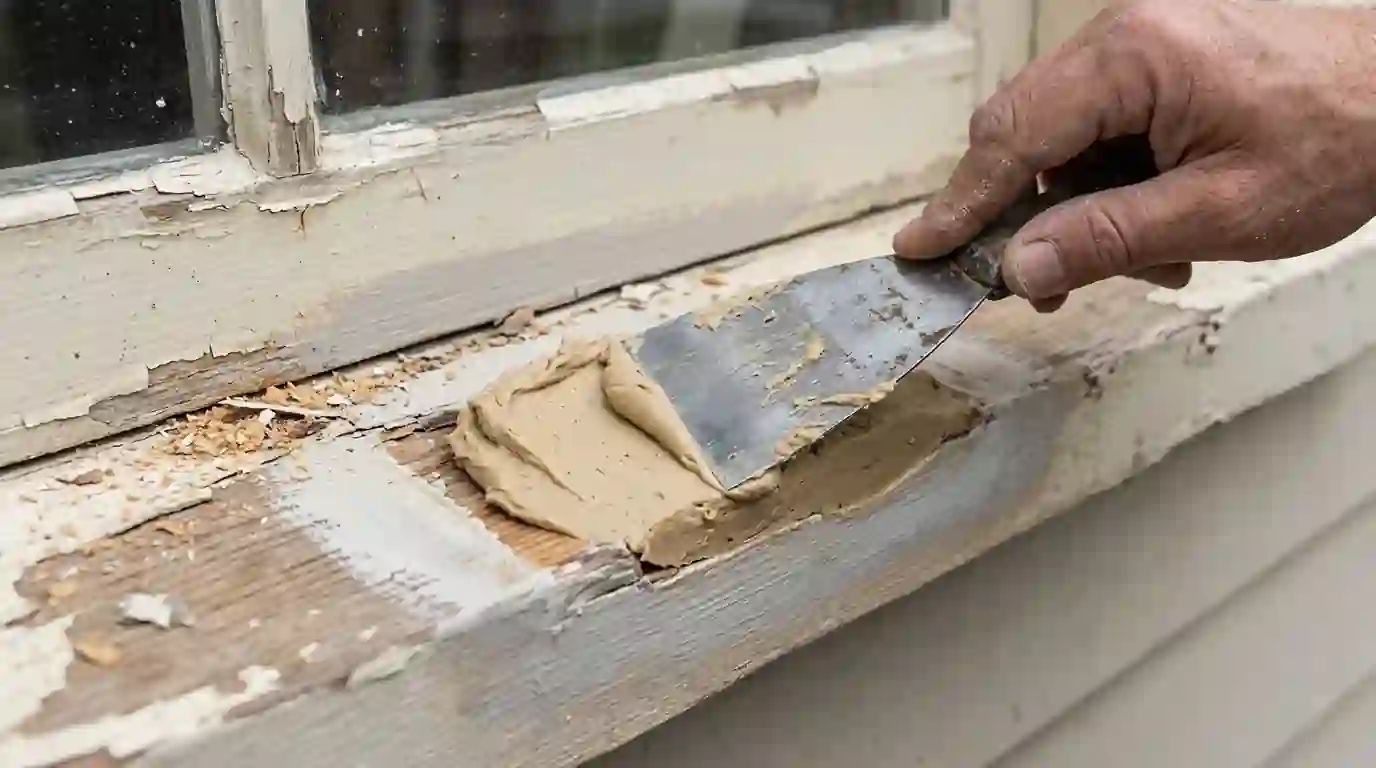
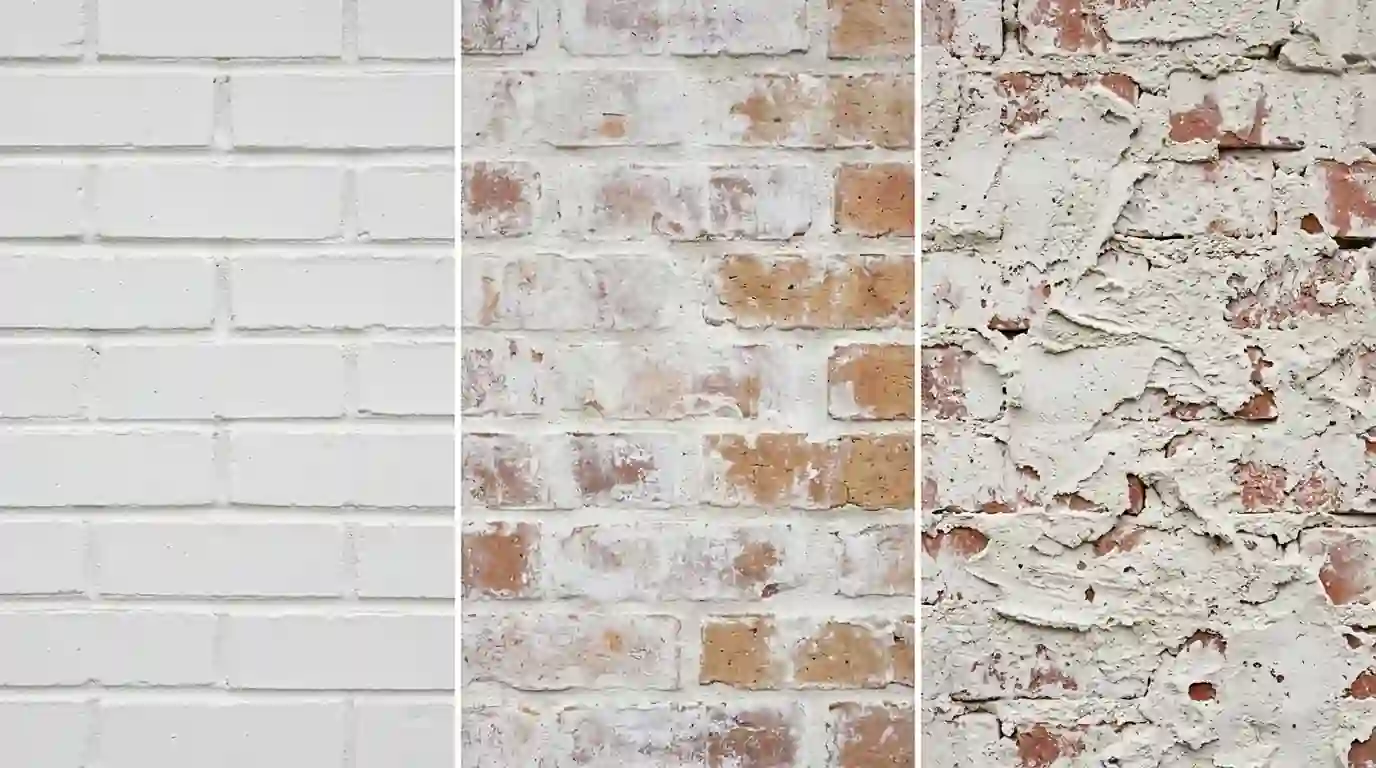
Prep is where two estimates for the same house split apart. On exteriors, pressure washing, scraping, sanding with 80 to 120 grit, spot priming and recaulking can take as long as the painting itself on an older home. Wood rot in fascia boards, window sills and door jambs has to be cut out and replaced or filled with an epoxy consolidant, and each section adds roughly $185 to $640 depending on size and how much trim has to come off. Inside, settling cracks from Fort Worth's clay soil, popped drywall screws and old water stains all need repair and a stain-blocking primer before finish paint. If a bid doesn't mention any of this on a house that clearly needs it, the work either isn't planned or will show up as a change order later.
How the paint grade changes the bill and the repaint cycle
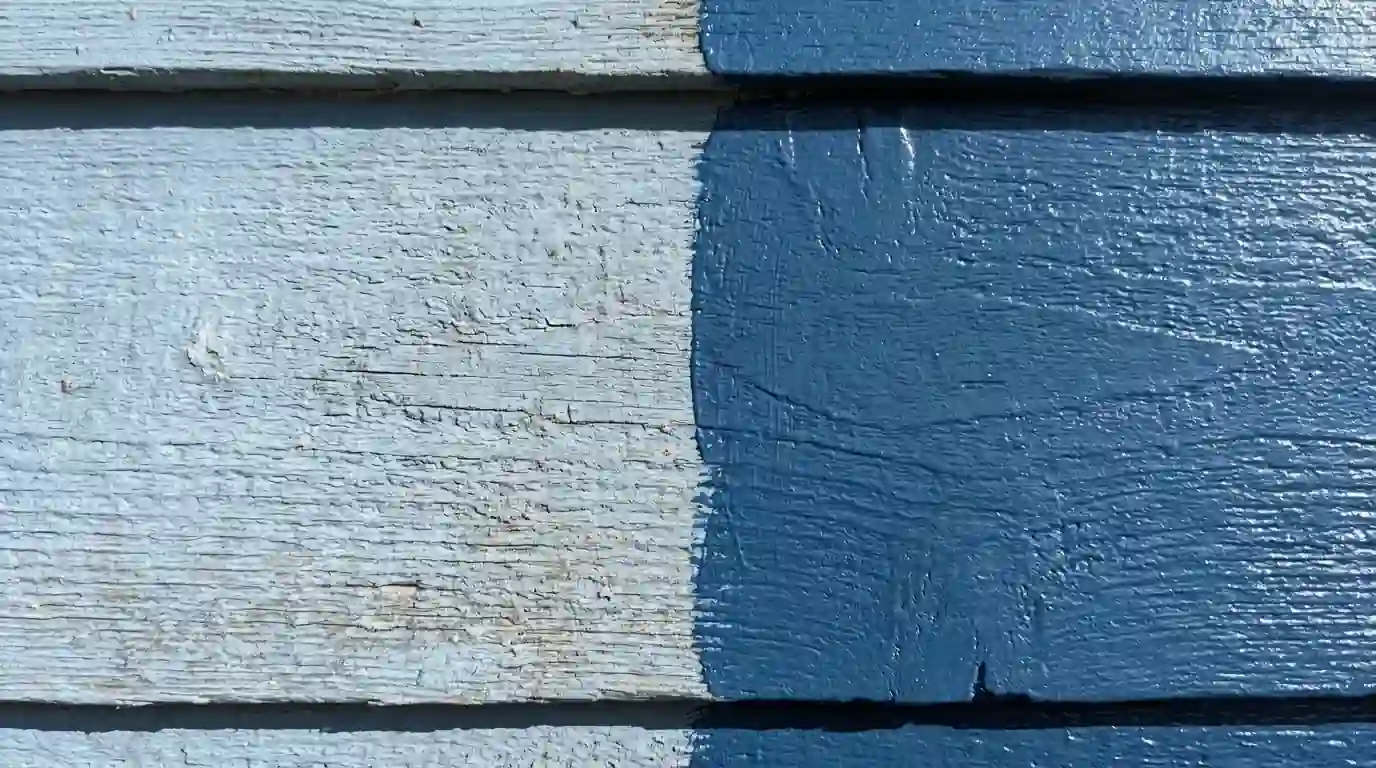
Paint is usually 15 to 25 percent of a residential job, so stepping up a grade costs less than most people expect. A premium 100% acrylic exterior paint from Sherwin-Williams, Benjamin Moore or PPG can run $25 to $40 more per gallon than a contractor-grade product, which adds roughly $300 to $650 on a typical exterior. In return you get thicker film build, better UV resistance and slower chalking on the south and west sides. On a home where a cheaper coating might need repainting in five or six years, a better system with proper priming can often stretch closer to eight to ten. Spread over that span, the higher grade frequently costs less per year. Interiors follow the same logic in kitchens, hallways and kids' rooms where scrubbable finishes earn their keep.
Fort Worth conditions that show up on your estimate
Local weather and soil leave fingerprints on almost every price we write. Summers above 100F chalk and fade sun-facing elevations, so those walls often need more washing and a bonding primer than the shaded side. Spring hail chips trim and garage doors, adding spot repairs. Expansive clay pulls caulk joints apart around windows, corners and brick-to-trim lines, which is why recaulking shows up as a line item so often here. Scheduling also plays a part. In July and August we start early and follow the shade around the house, which can stretch a job by a day. Homes in HOA neighborhoods such as Park Glen or Heritage may need color approval before we start, and that paperwork doesn't change the price but can shift the start date.
How to compare two painting bids fairly
Lay the bids side by side and check whether they describe the same job. Look for the exact surfaces included, the number of coats, the primer plan for bare or stained areas, how caulking is handled and which product line goes on the walls. A bid that names a specific paint and sheen is easier to hold to than one that just says "premium paint." Ask how wood rot will be priced if more turns up once the old paint comes off. Also confirm who moves furniture, how daily cleanup works and what happens if weather delays the exterior. A lower number that skips priming or uses one coat over a color change rarely stays cheaper. If you'd like a figure for your own home, call us and describe the house; we'll set a time to look at it in person.